Every other district in Dubai was built around a road, a beach or a mall. Dubai South is being built around an airport — Al Maktoum International, which the government is expanding at a stated cost of AED 128 billion to a planned capacity of 260 million passengers a year. That single fact is the entire investment case, and it is also the entire risk: the district's value is tied to a construction programme that runs into the 2030s.
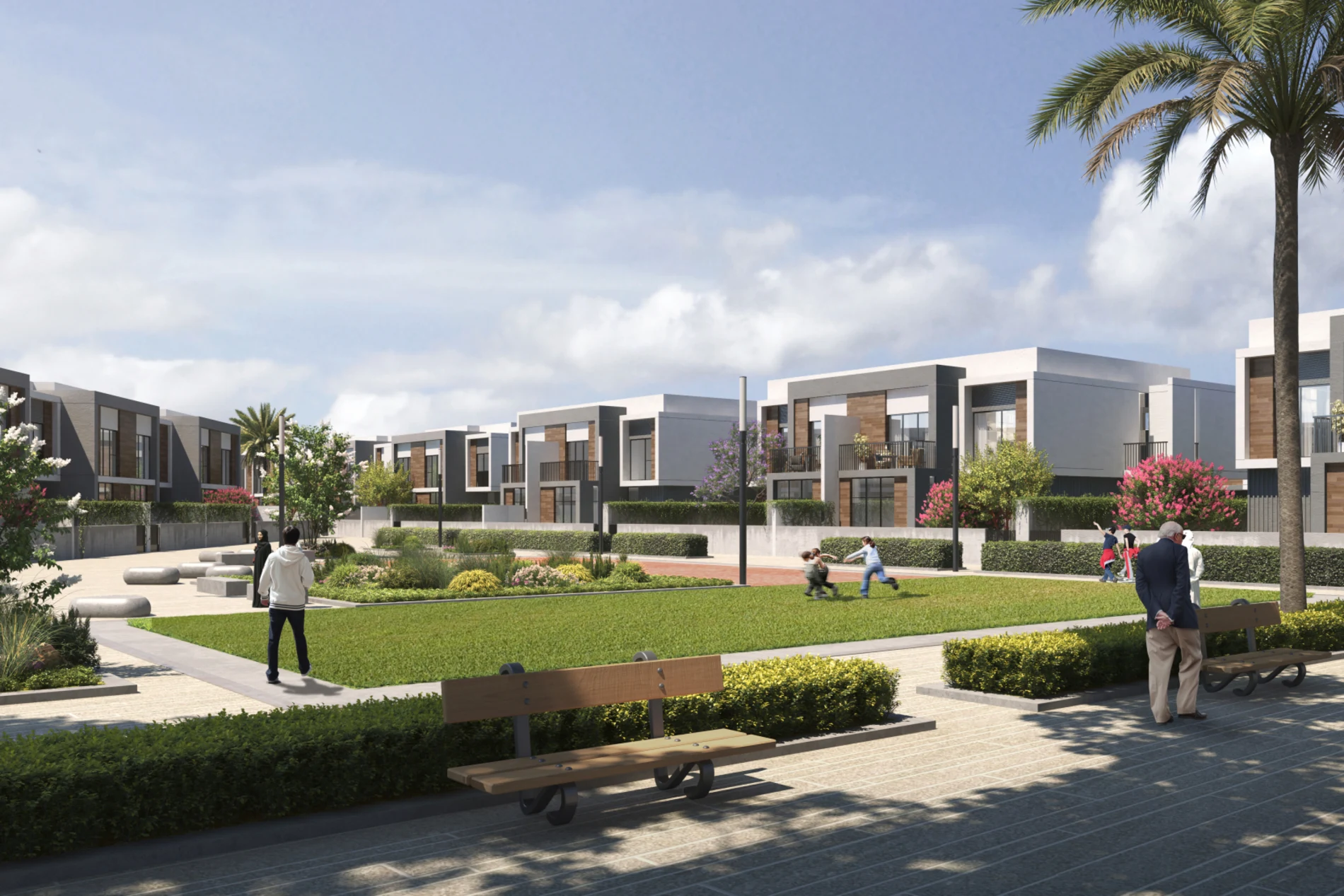
What that means in practice is unusual for Dubai. You are not buying into an established address at a discount; you are buying land that is currently cheap because the thing that will make it expensive has not finished being built. The district already has a working residential core — The Pulse has residents, a school and shops — and around it a golf district, a business park and a logistics zone that are still filling in. The Al Yalayis interchange expansion completed by the RTA in May 2026 is the kind of milestone worth tracking here: road capacity arrives before residents do, and it arrives visibly.
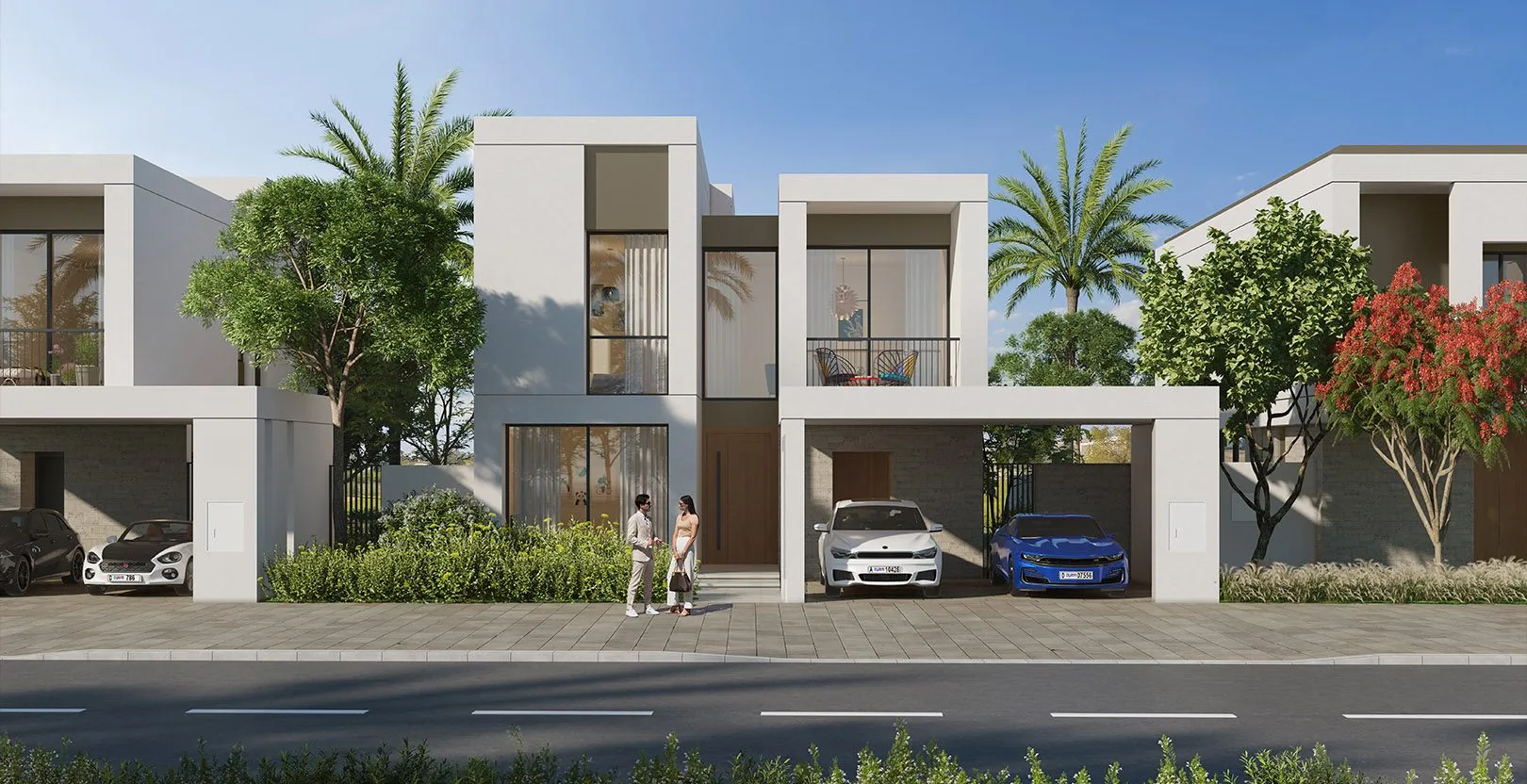
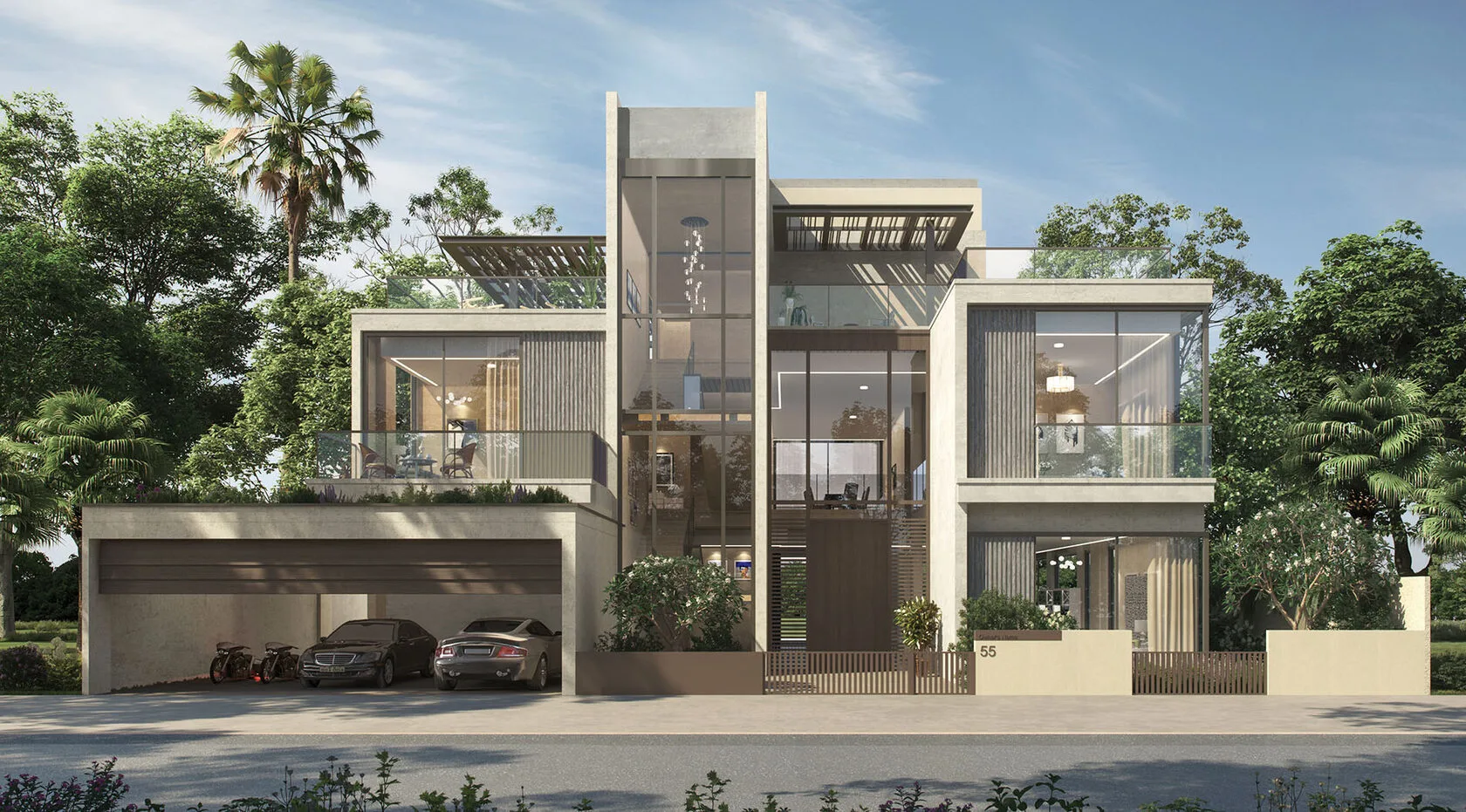
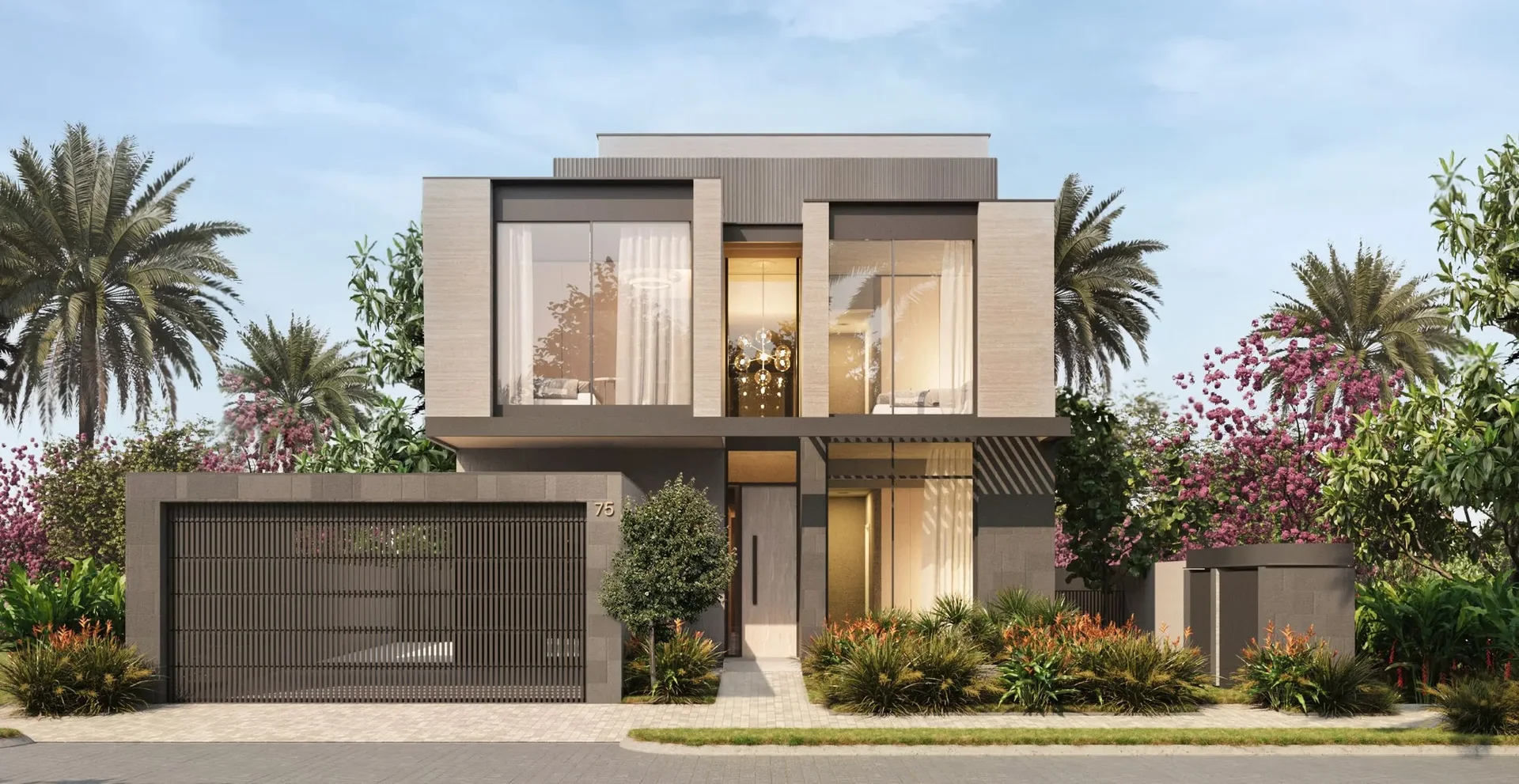
Prices reflect the stage. The entry point across the projects below runs from AED 460K at Waada to AED 3.75M at The Pulse Beachfront — a spread of eight times inside one district, which is not something you see in Dubai Marina or on Palm Jumeirah. The spread is the opportunity and it is also the warning: these are not comparable products, and comparing them on price per foot alone will mislead you.
Two things to check before a deposit here, both of which we will pull for you. First, which sub-district — Residential, Golf, Commercial — because they are separated by kilometres of undeveloped land and their timelines differ by years. Second, the developer's delivery record in this specific district, not in Dubai generally. Dubai South Properties is the master developer and has handed over here; Bahria Town has three decades of scale in Pakistan and no UAE delivery record at all. Both facts belong in the price you pay.