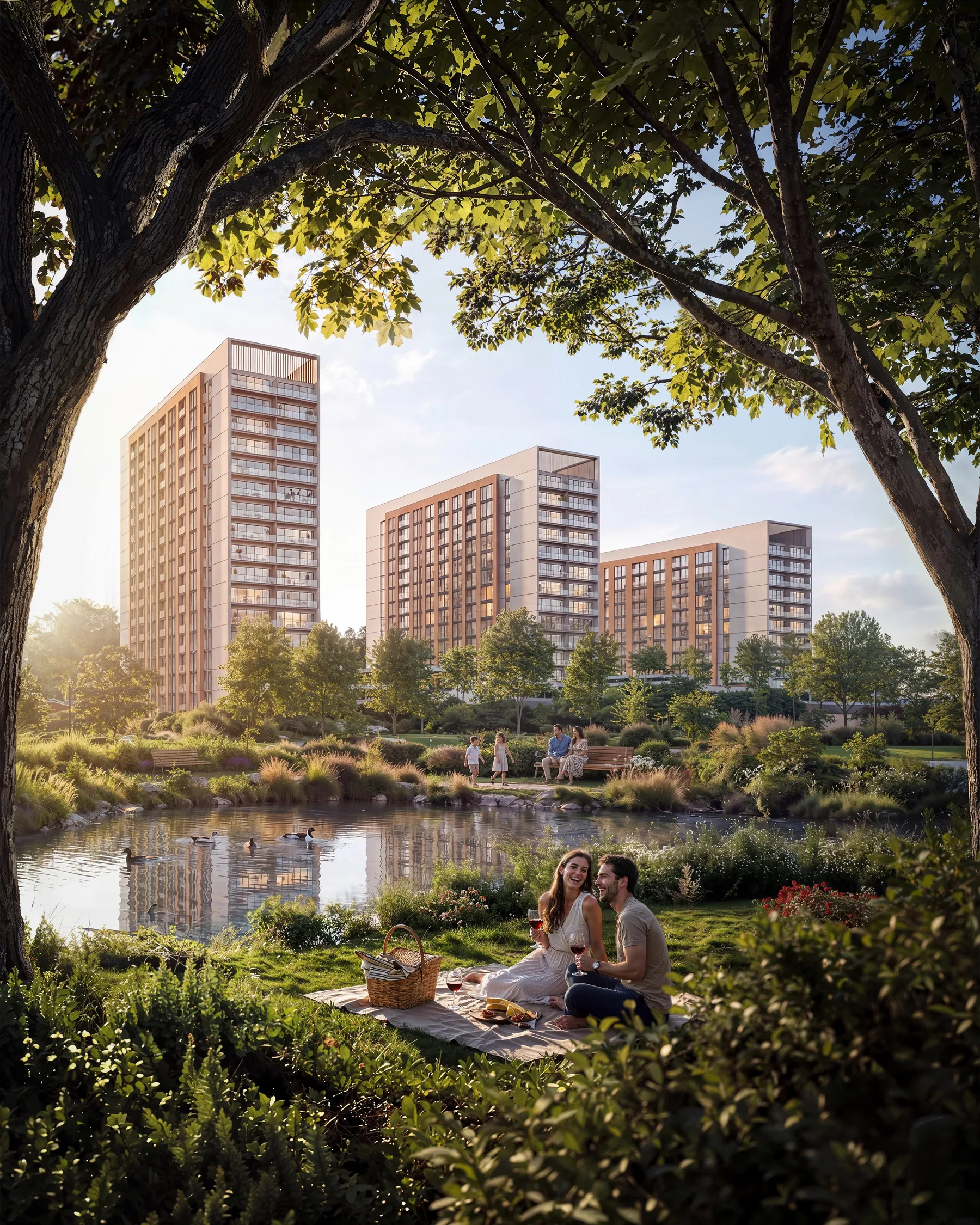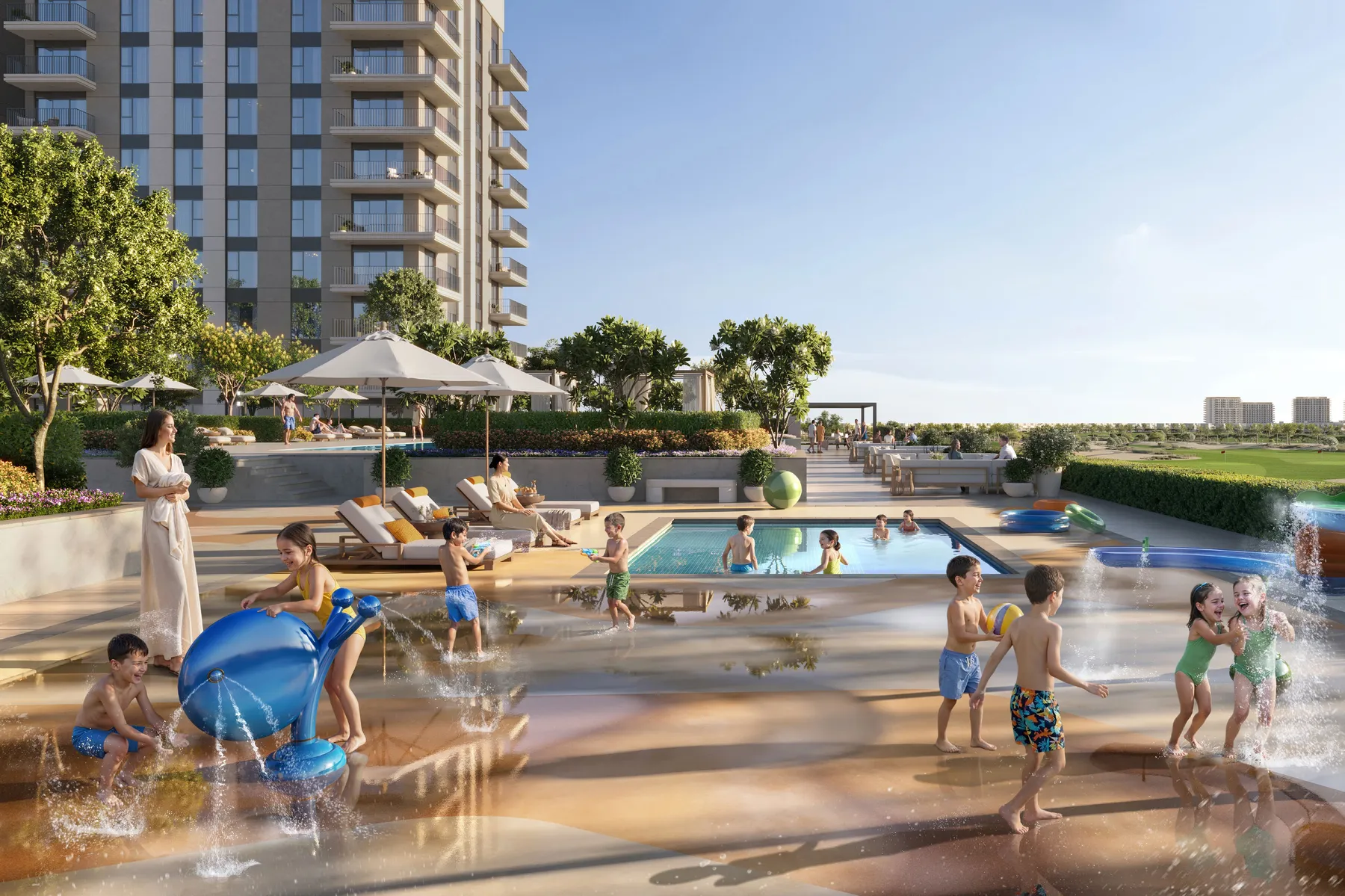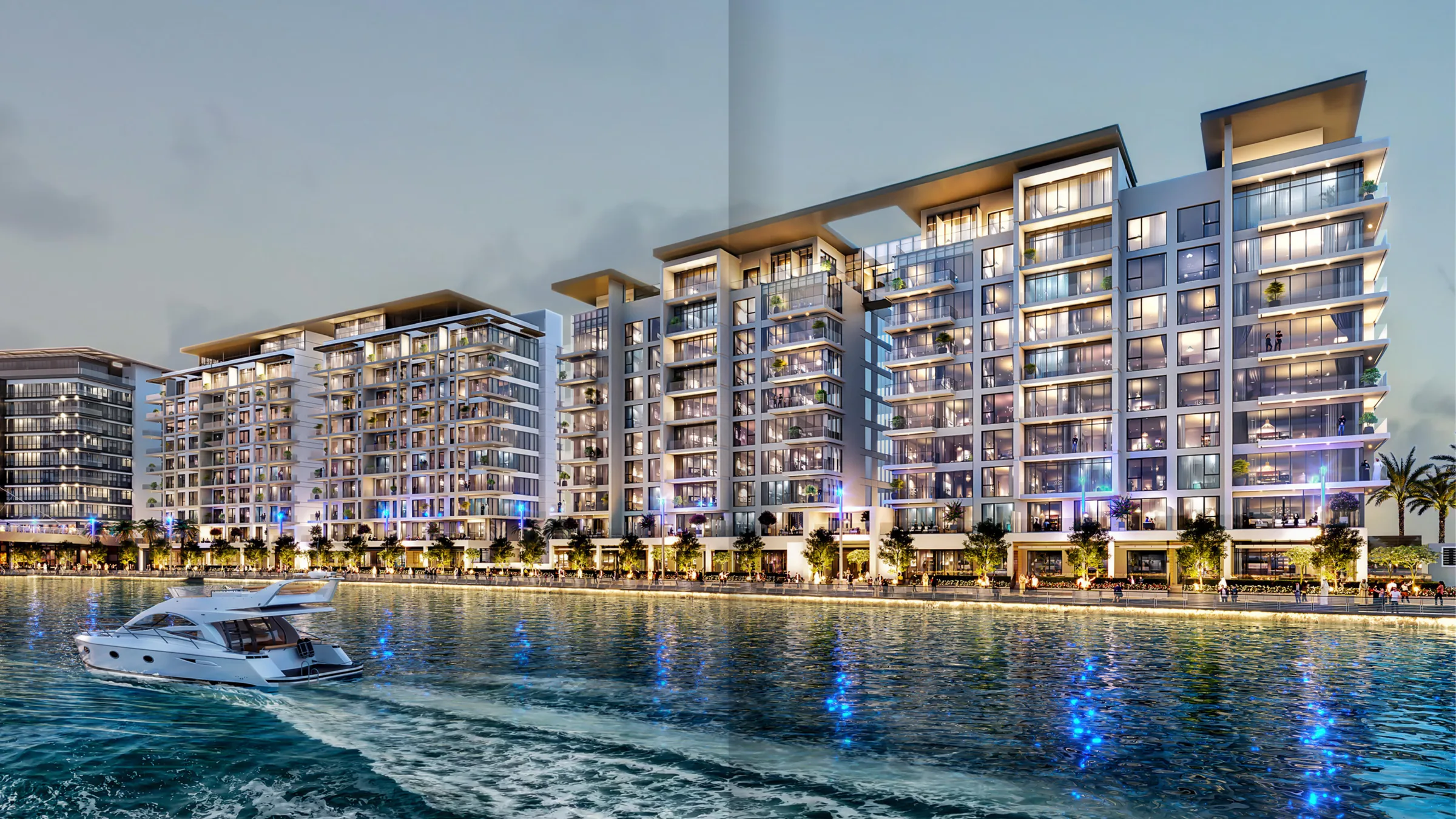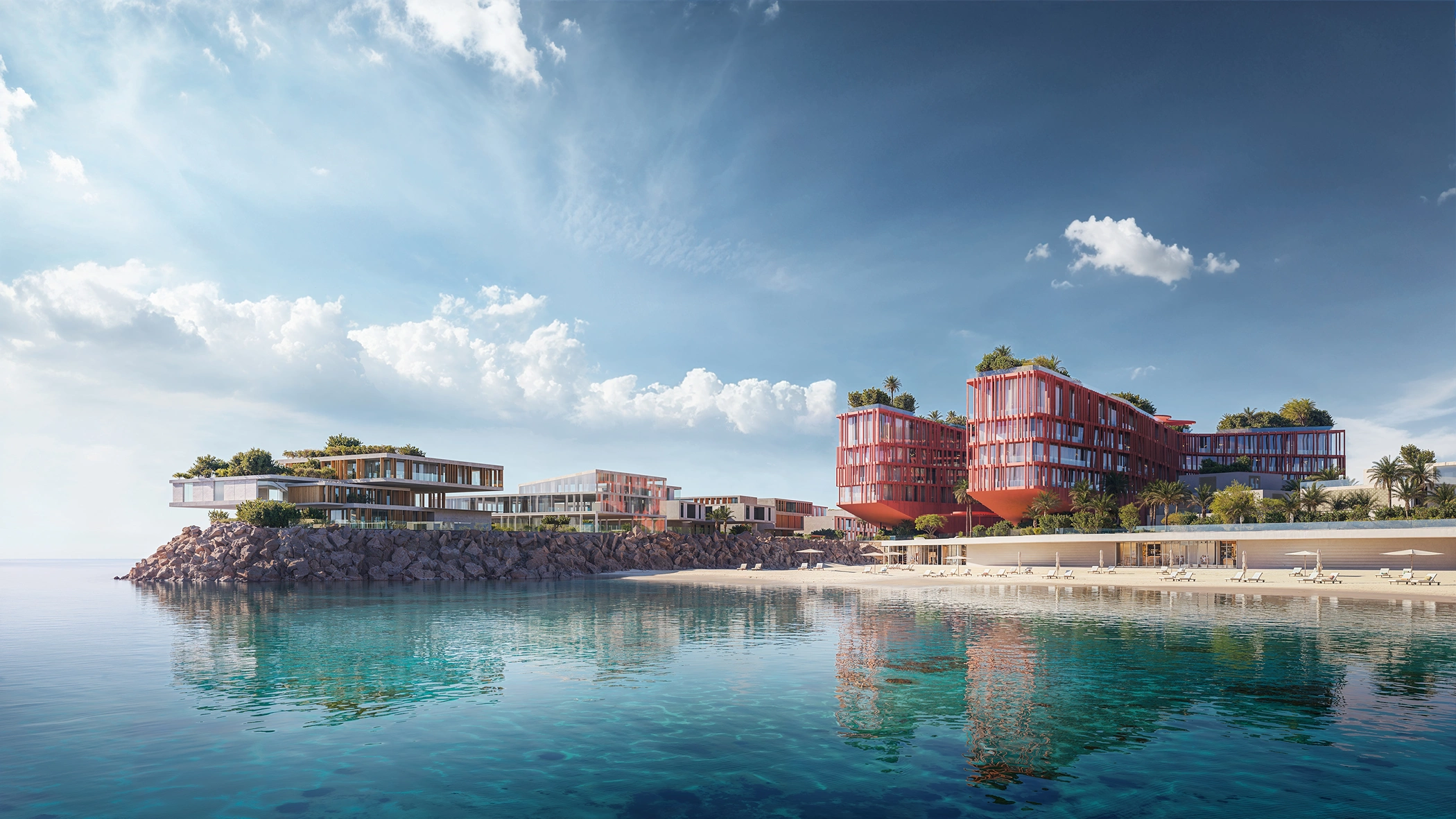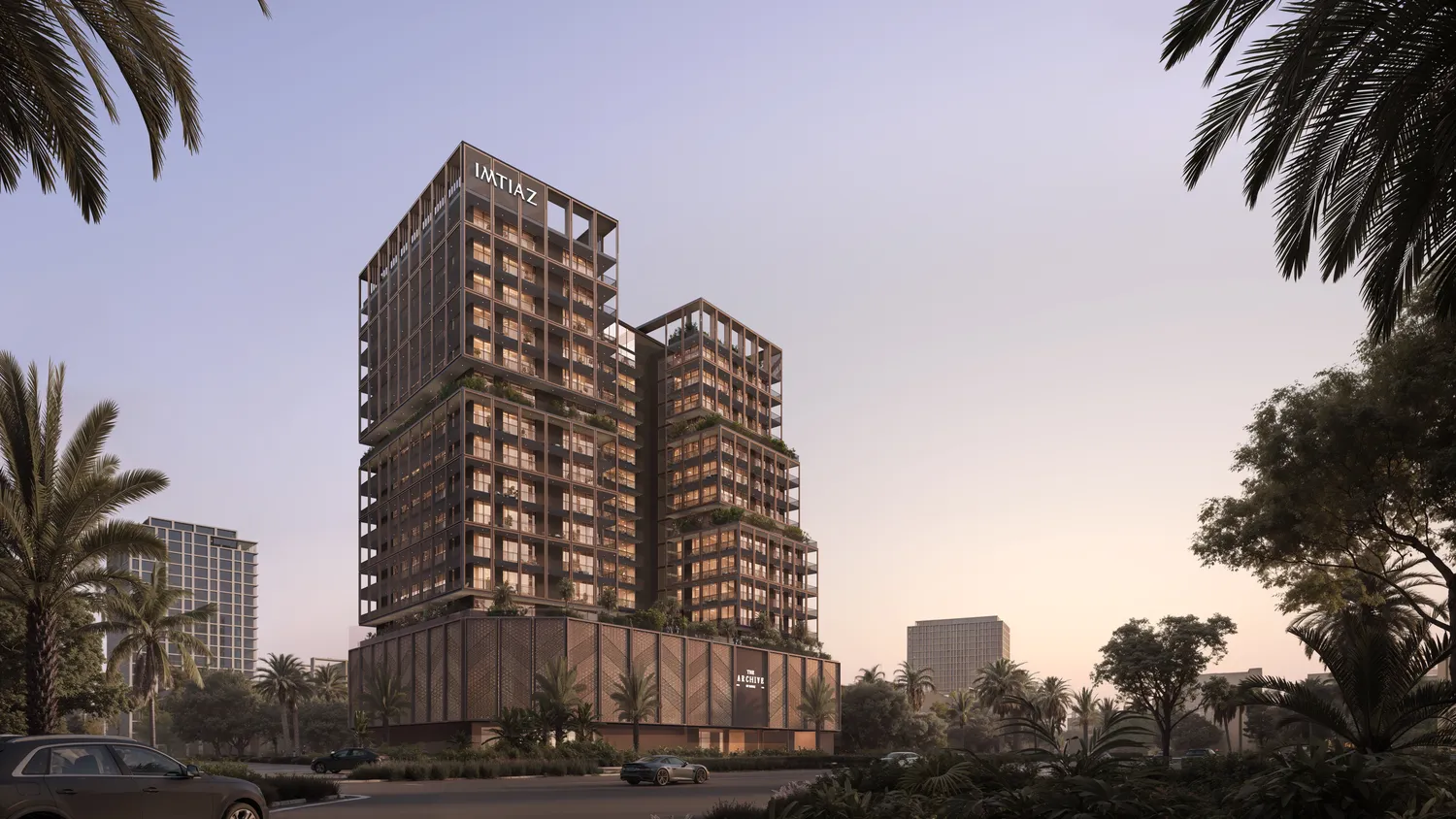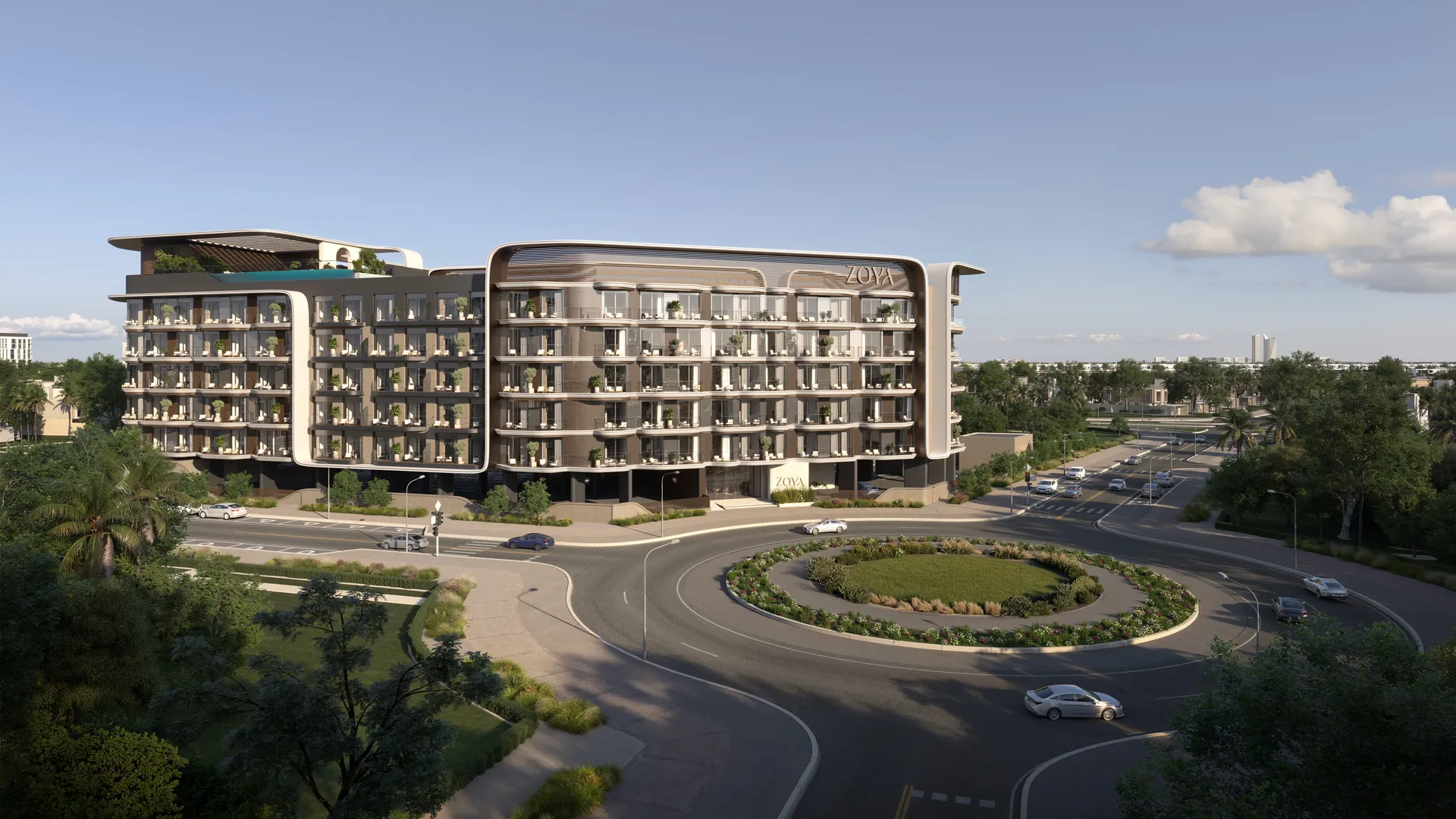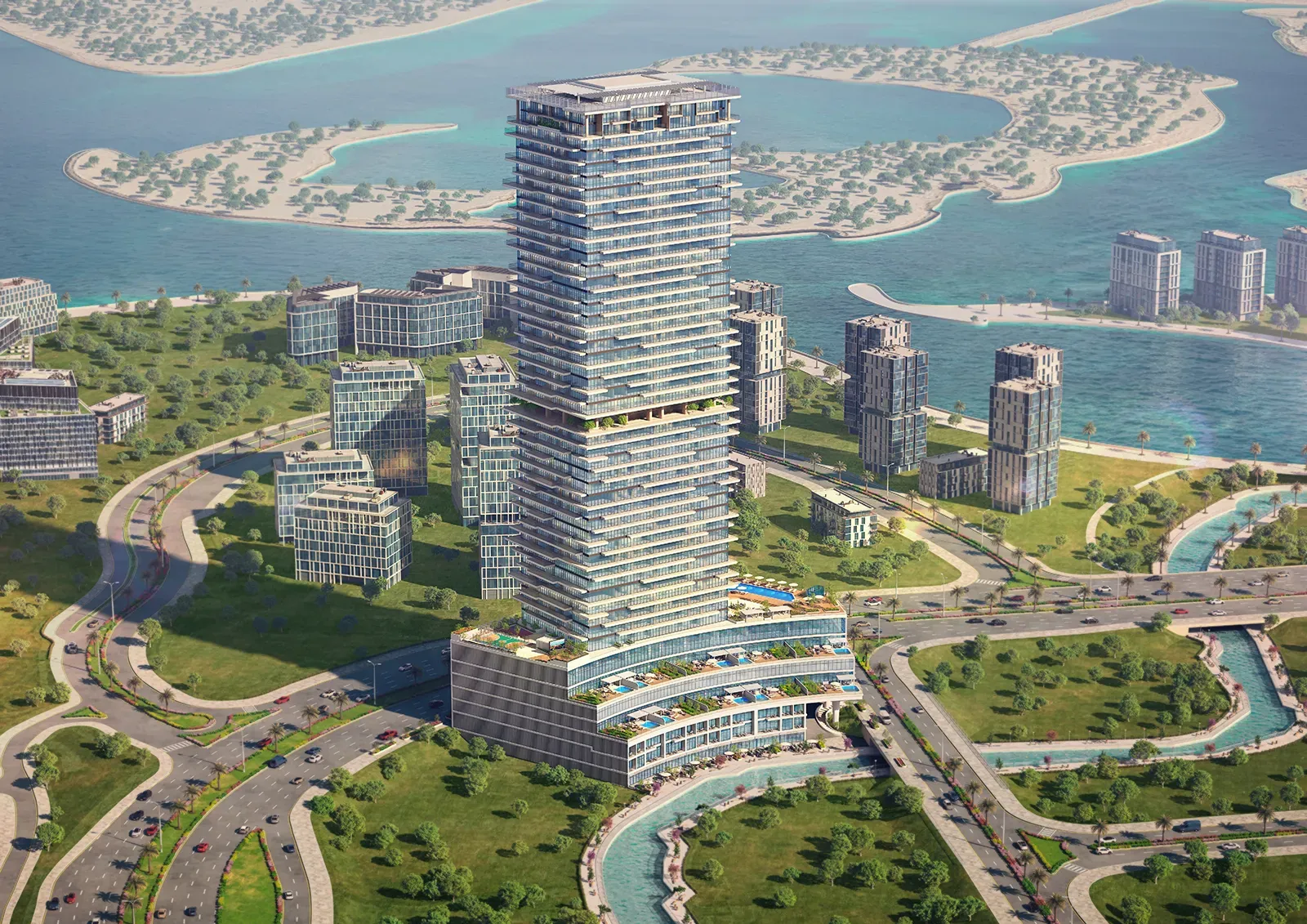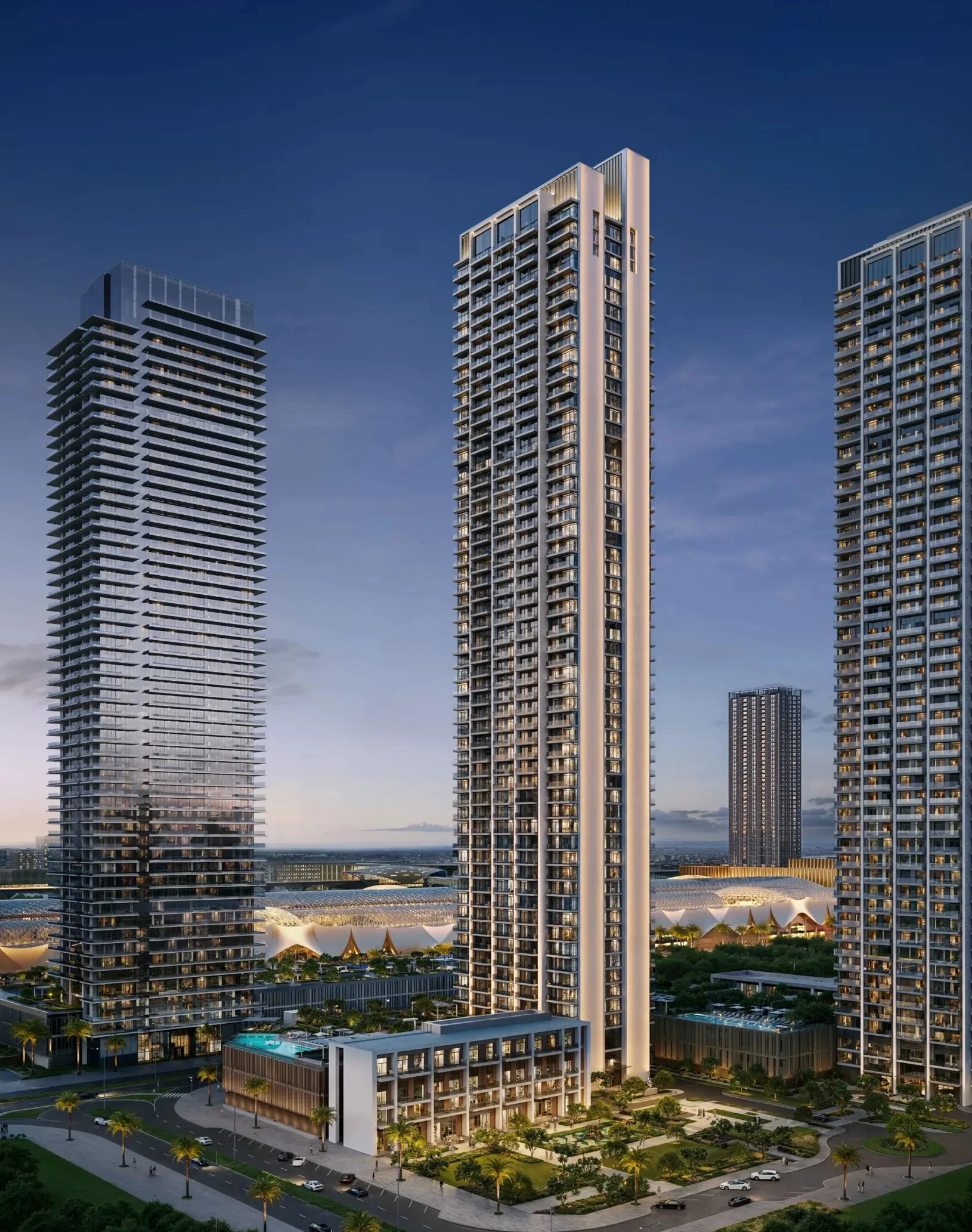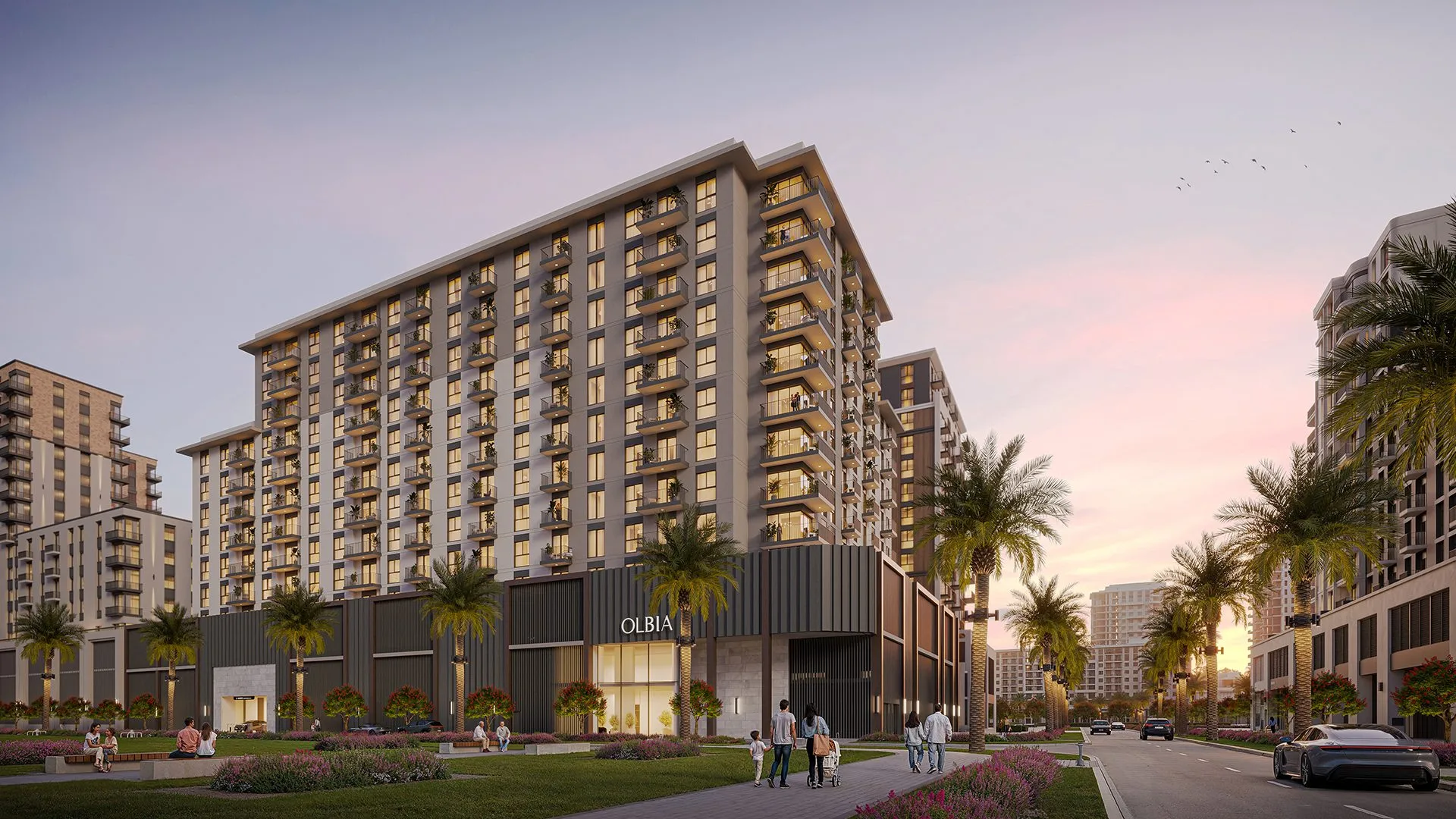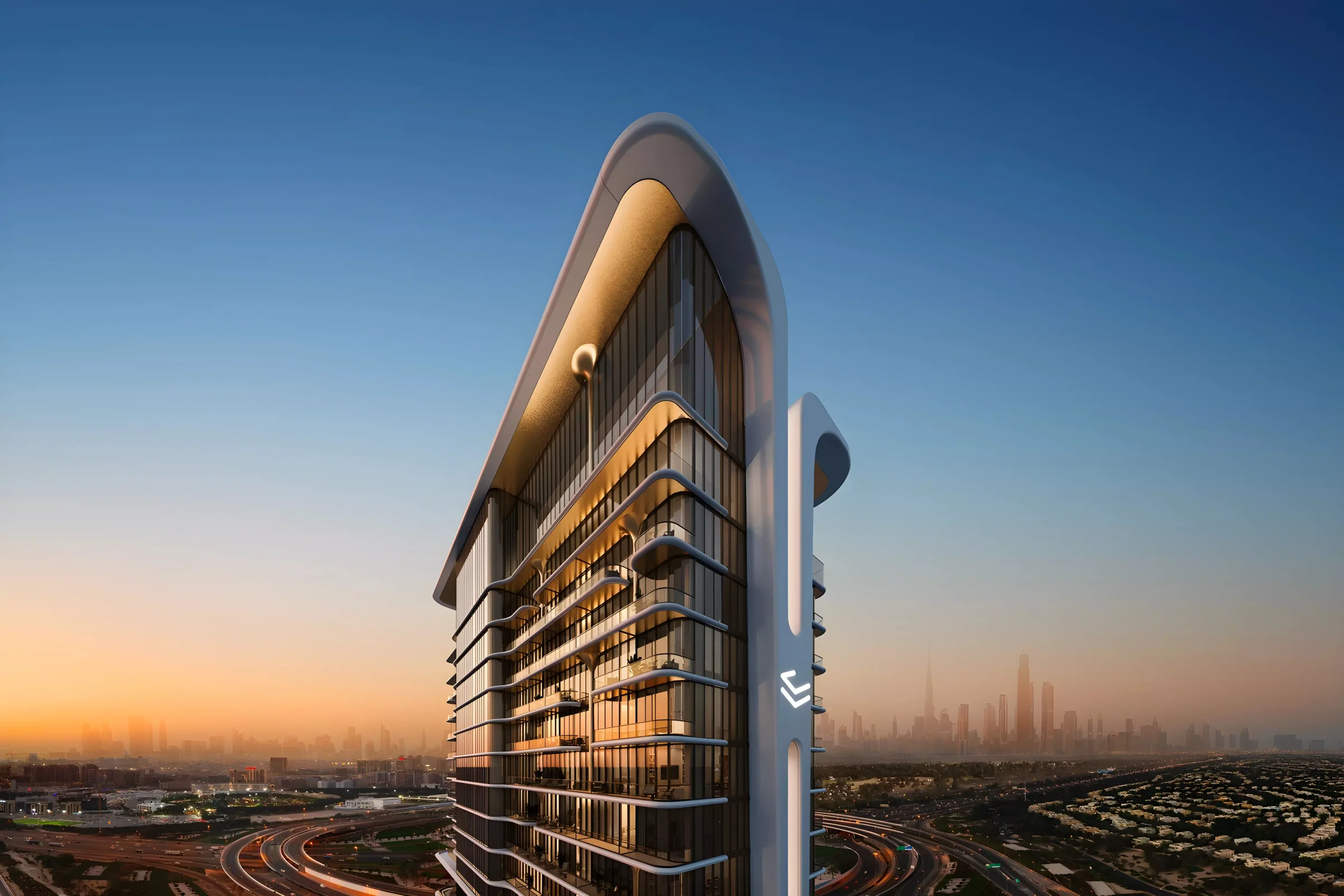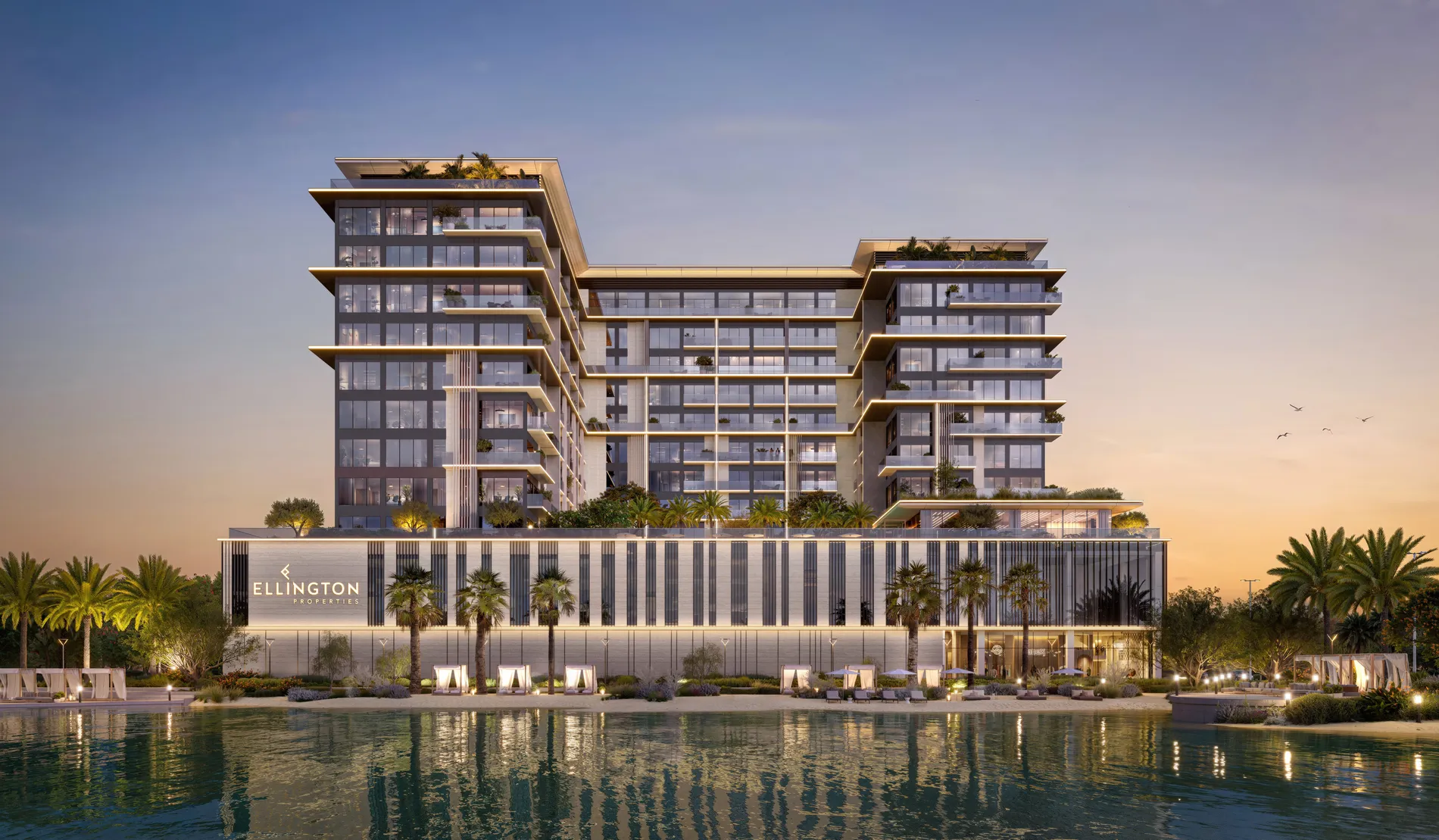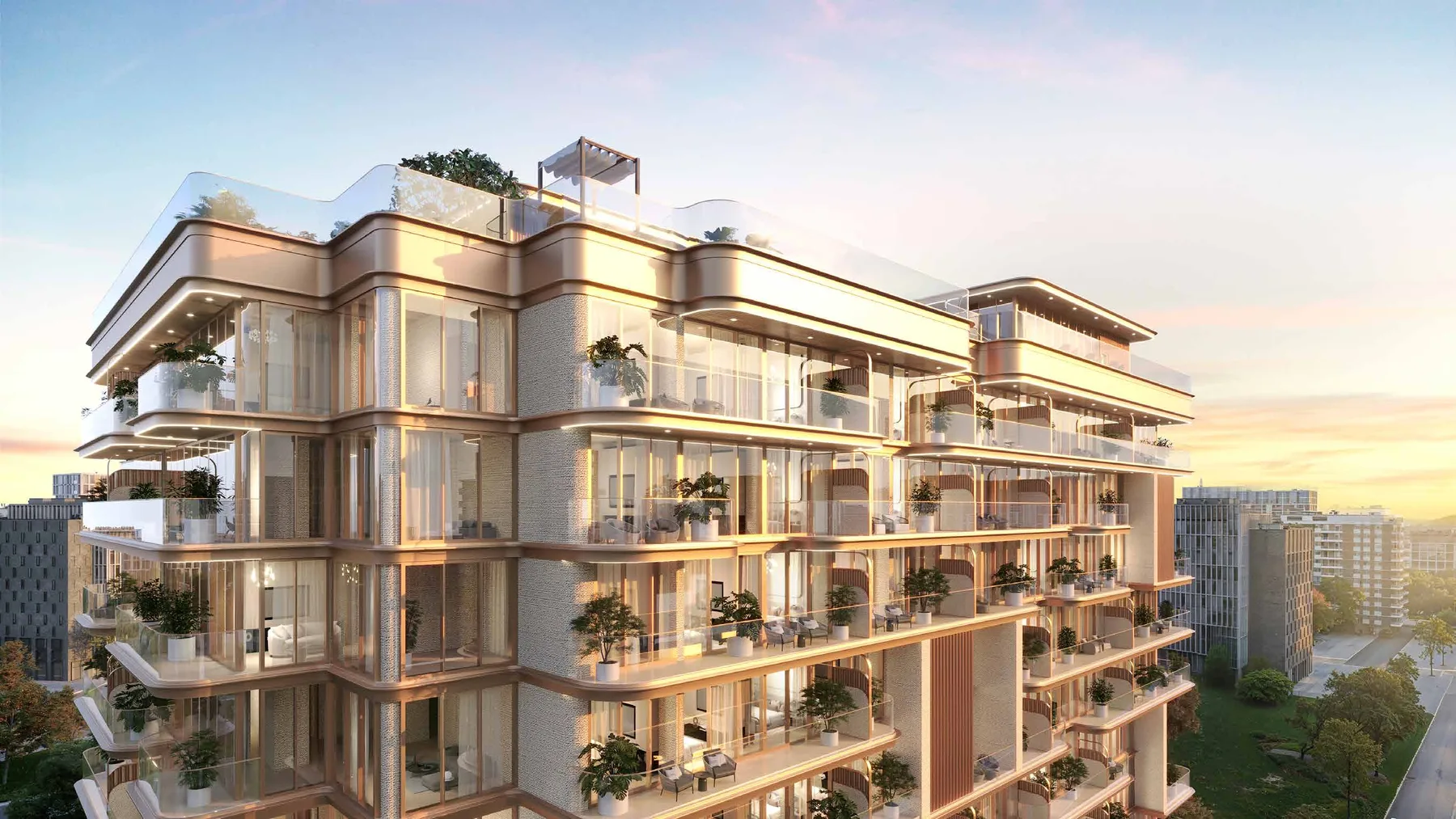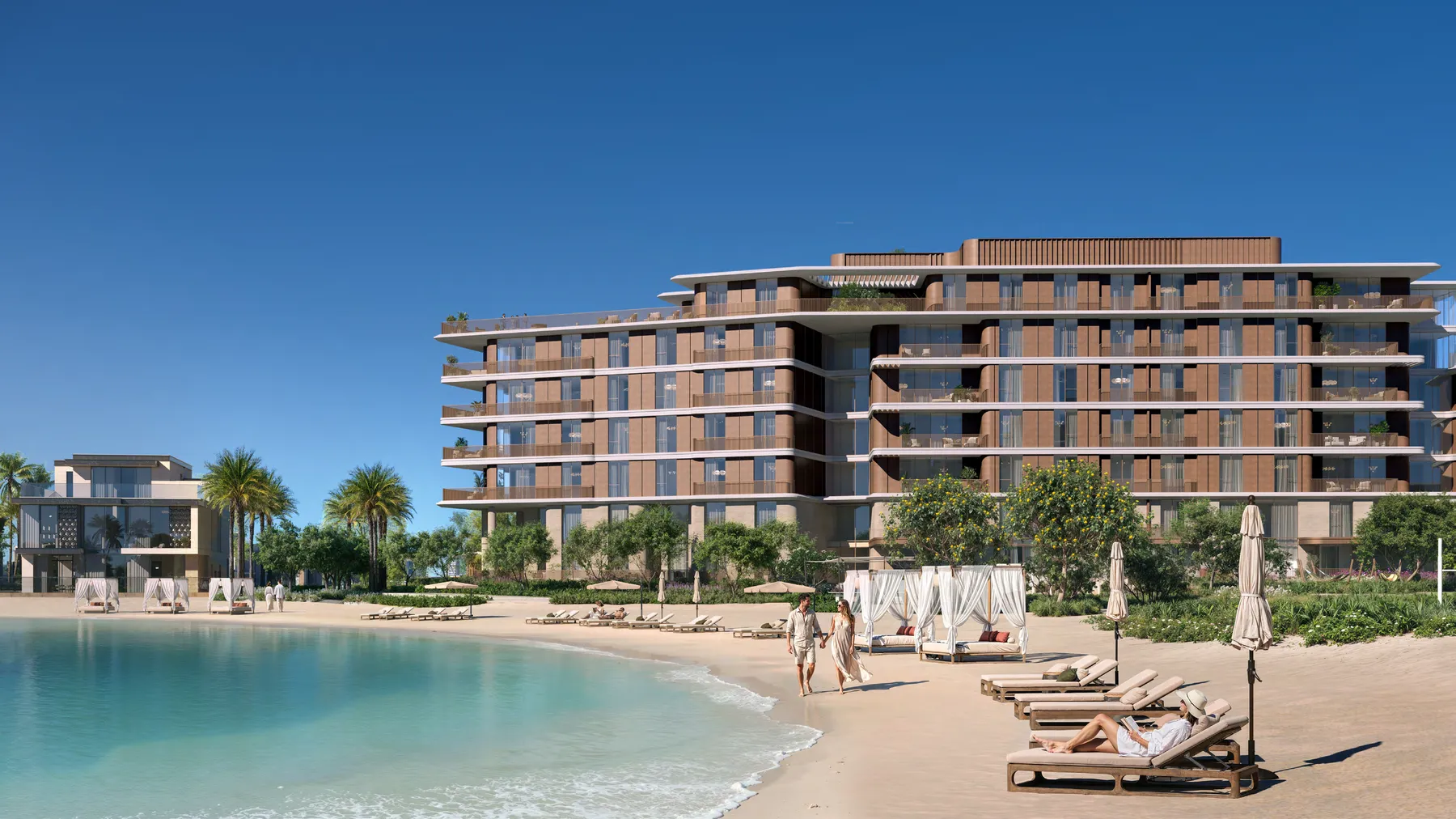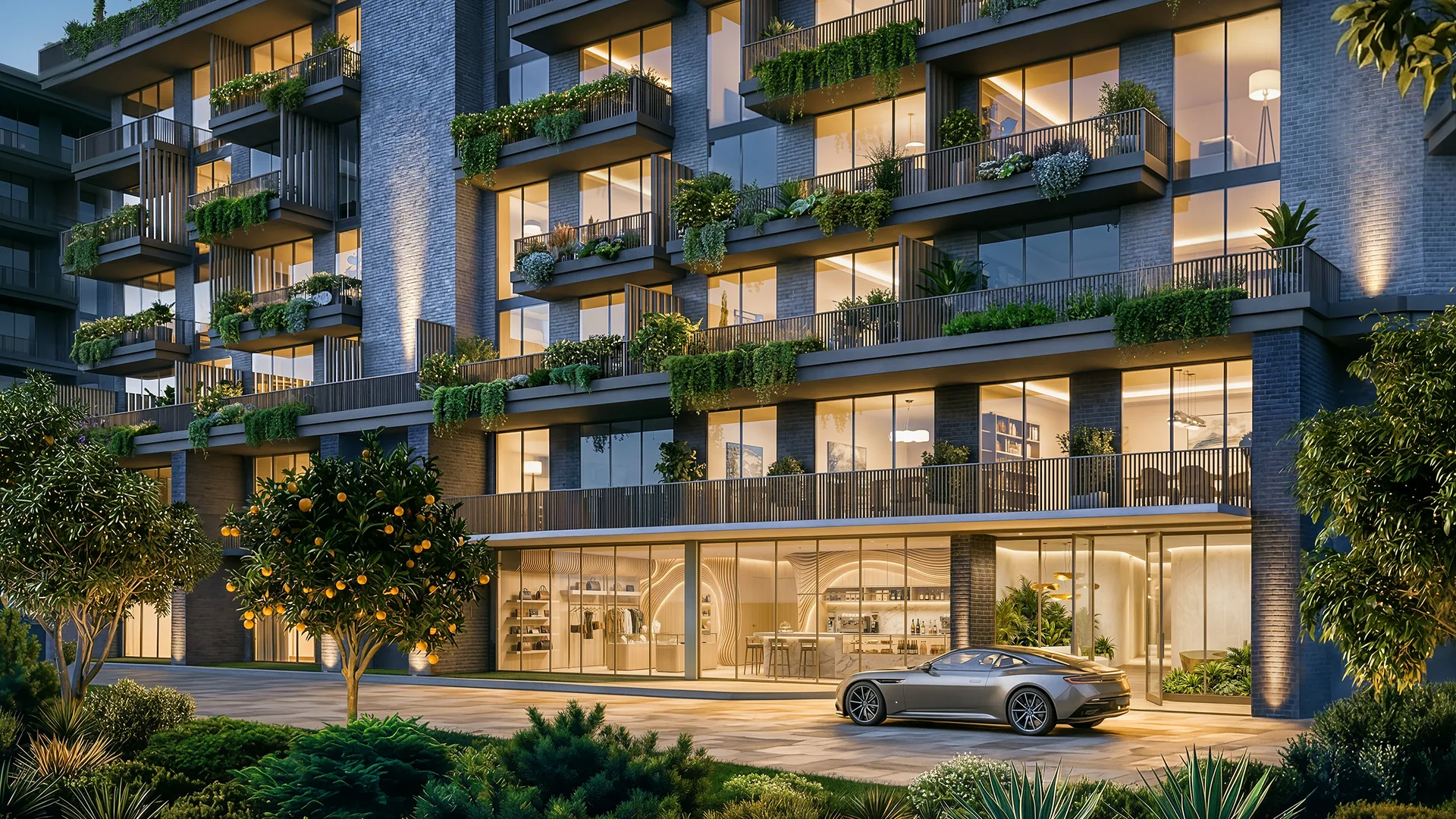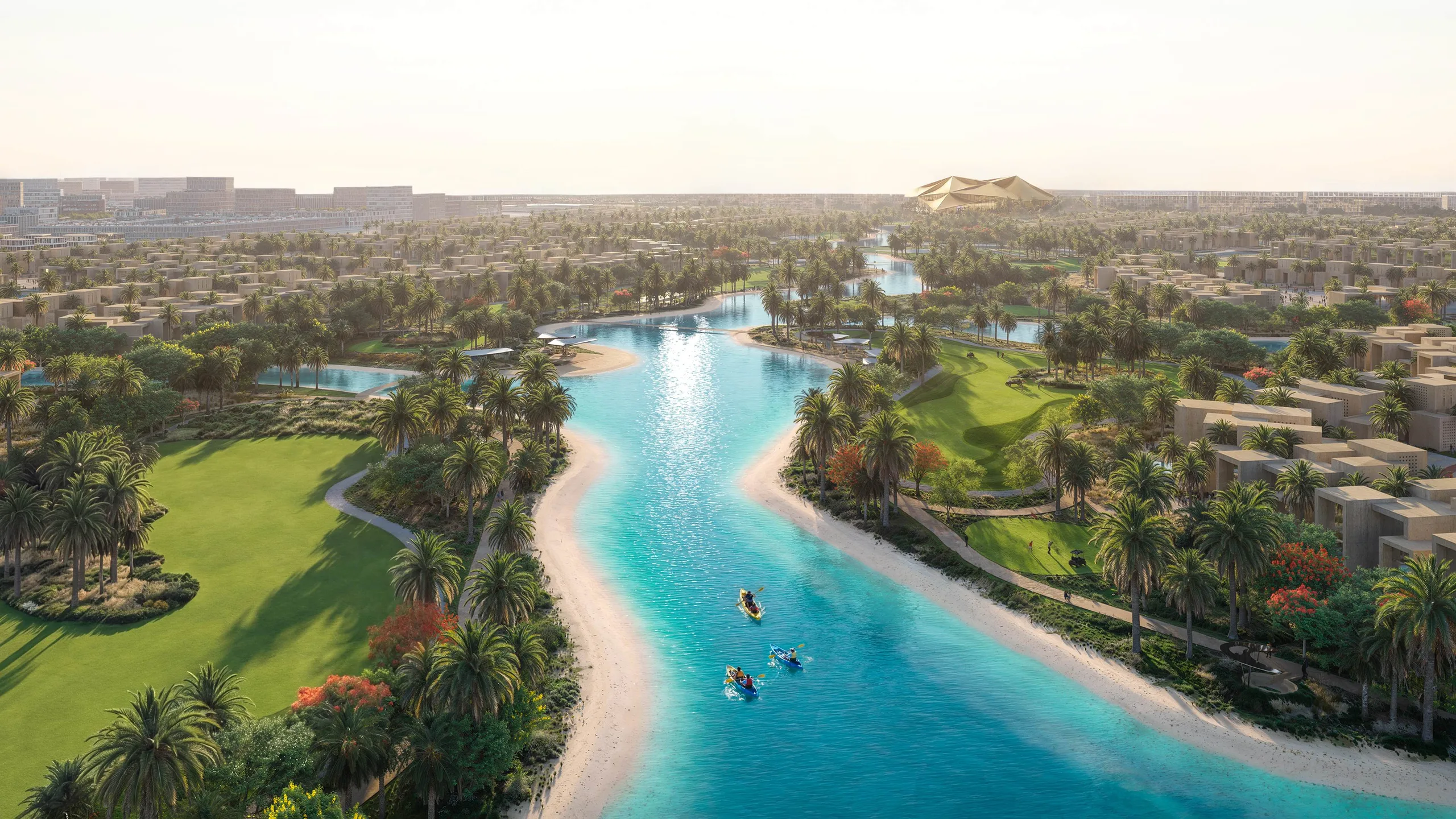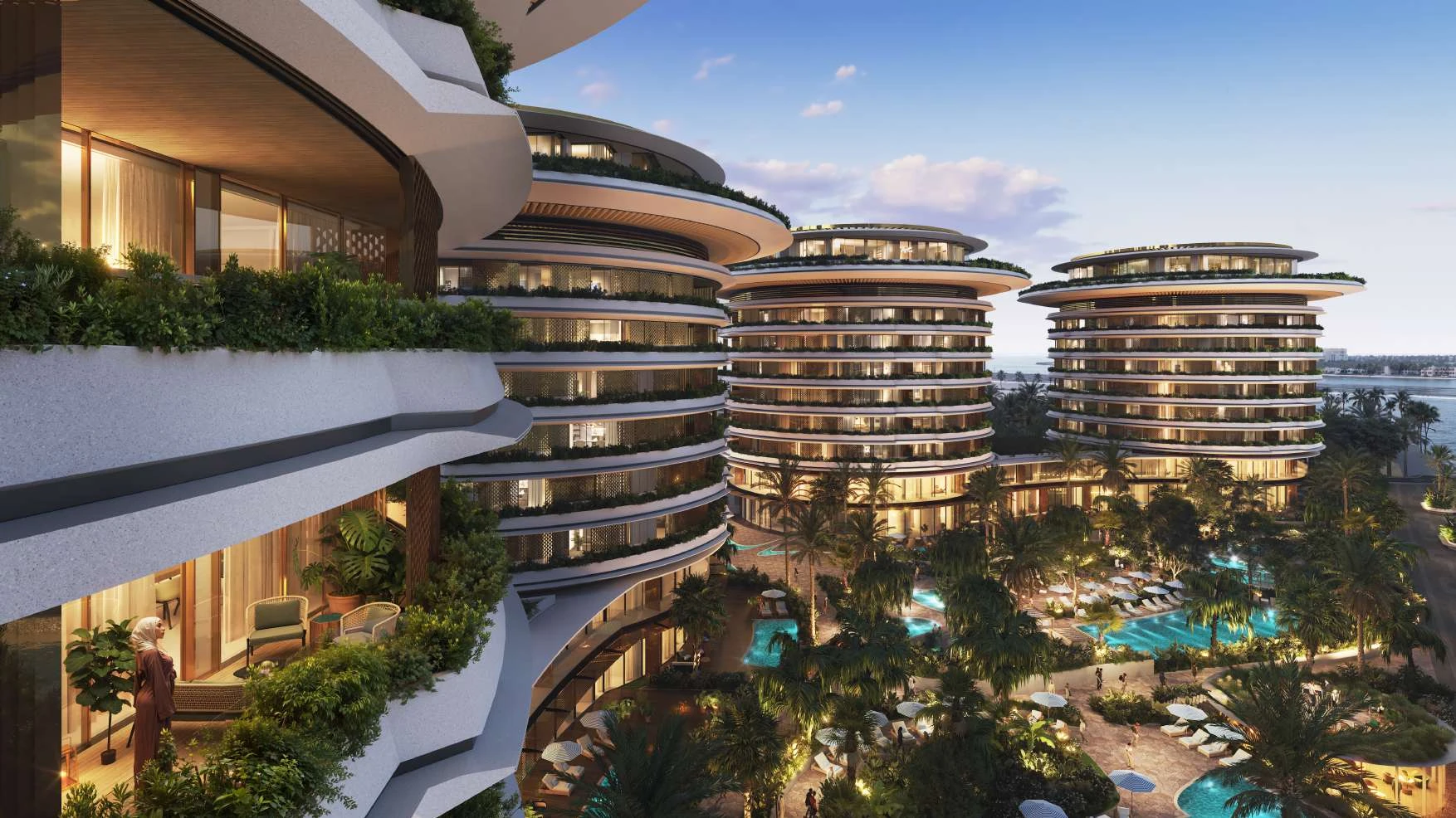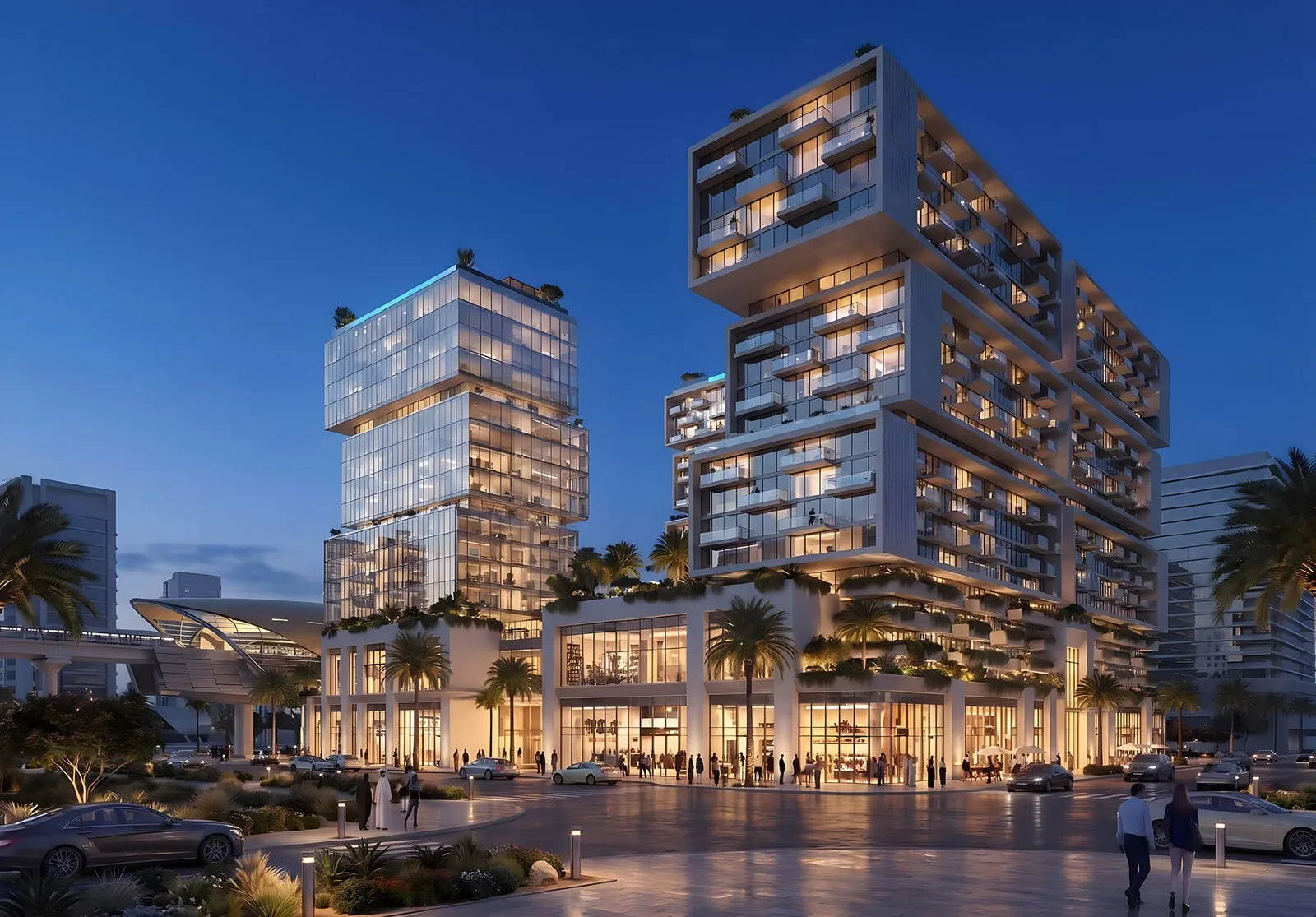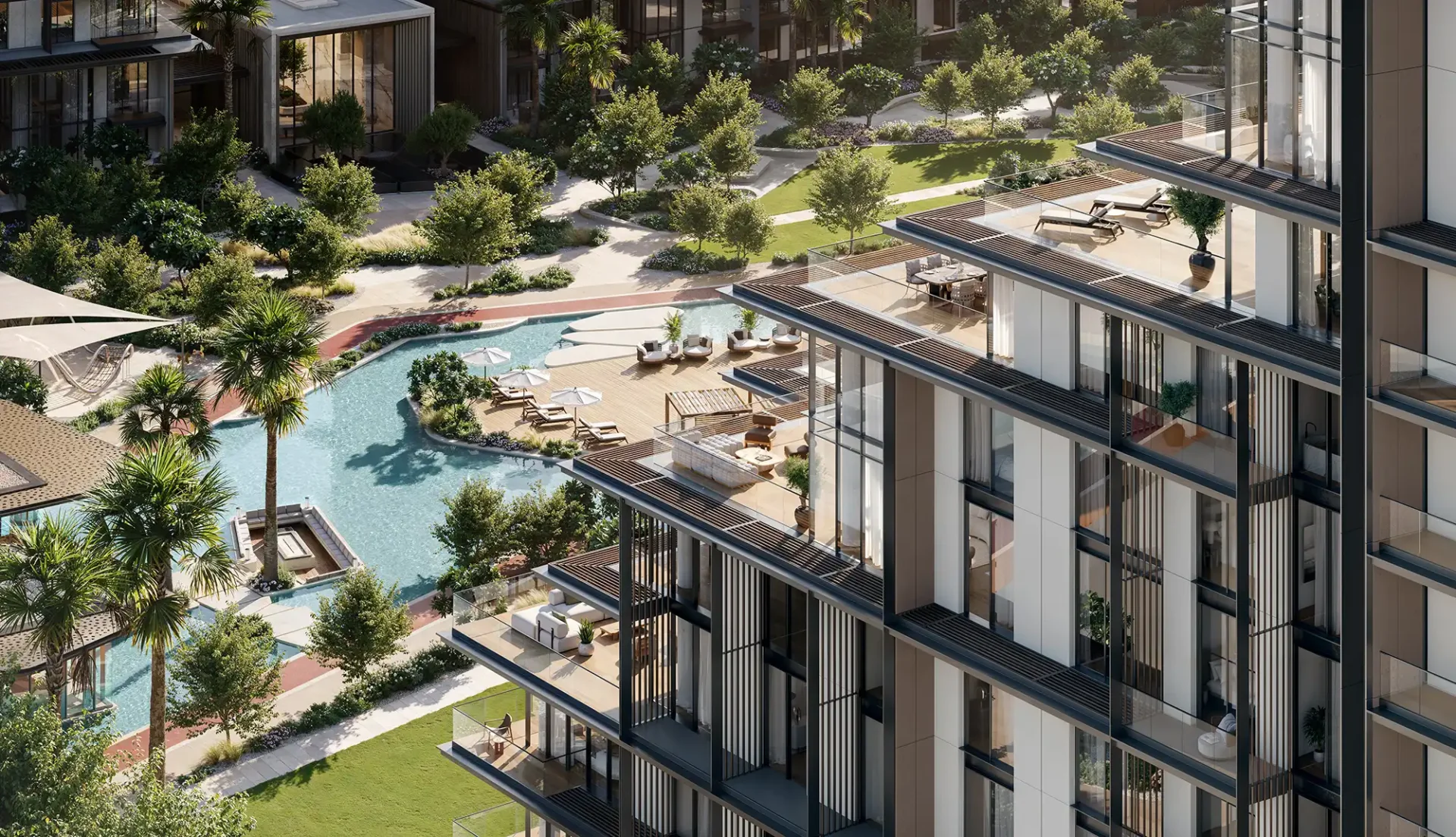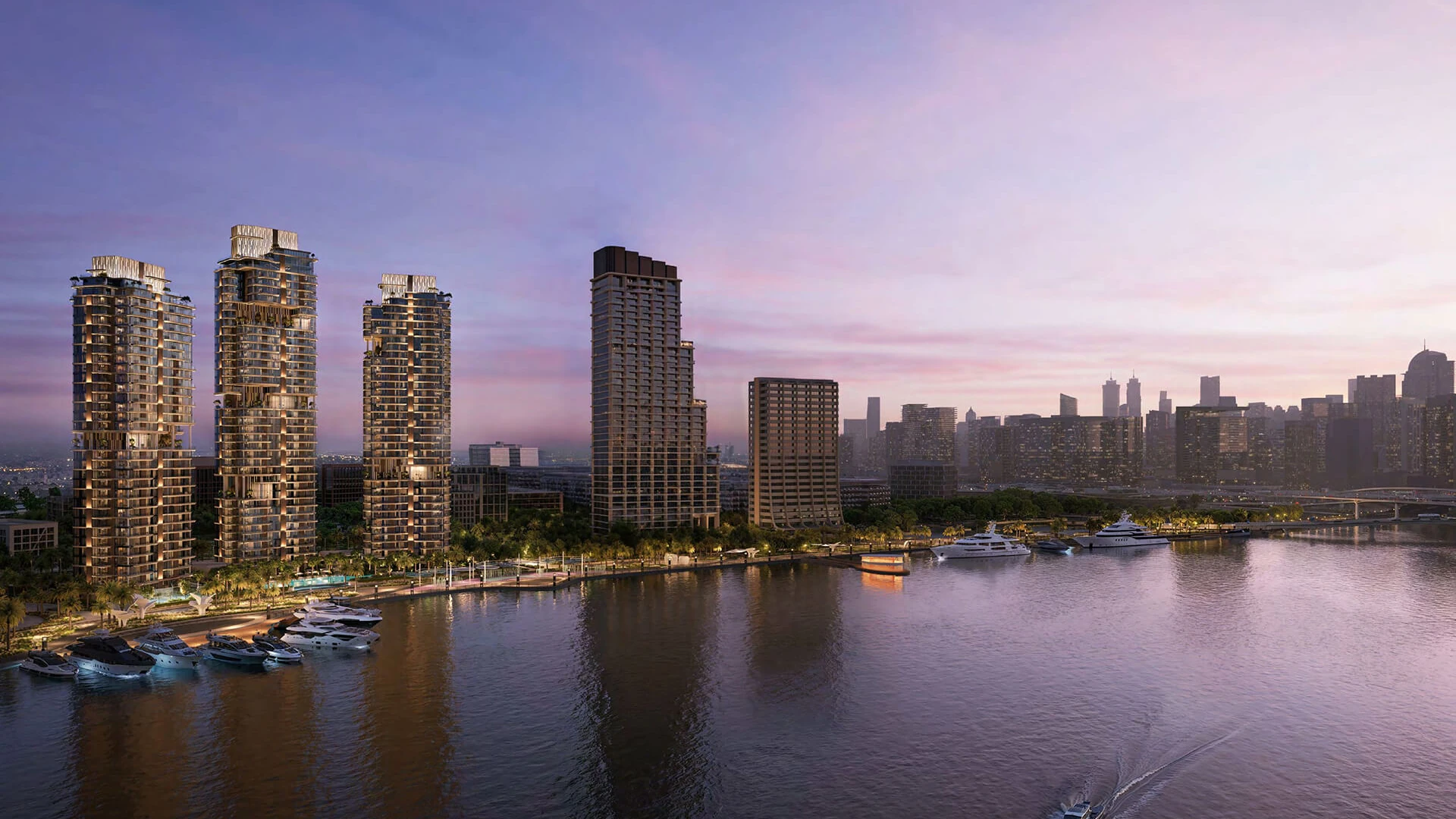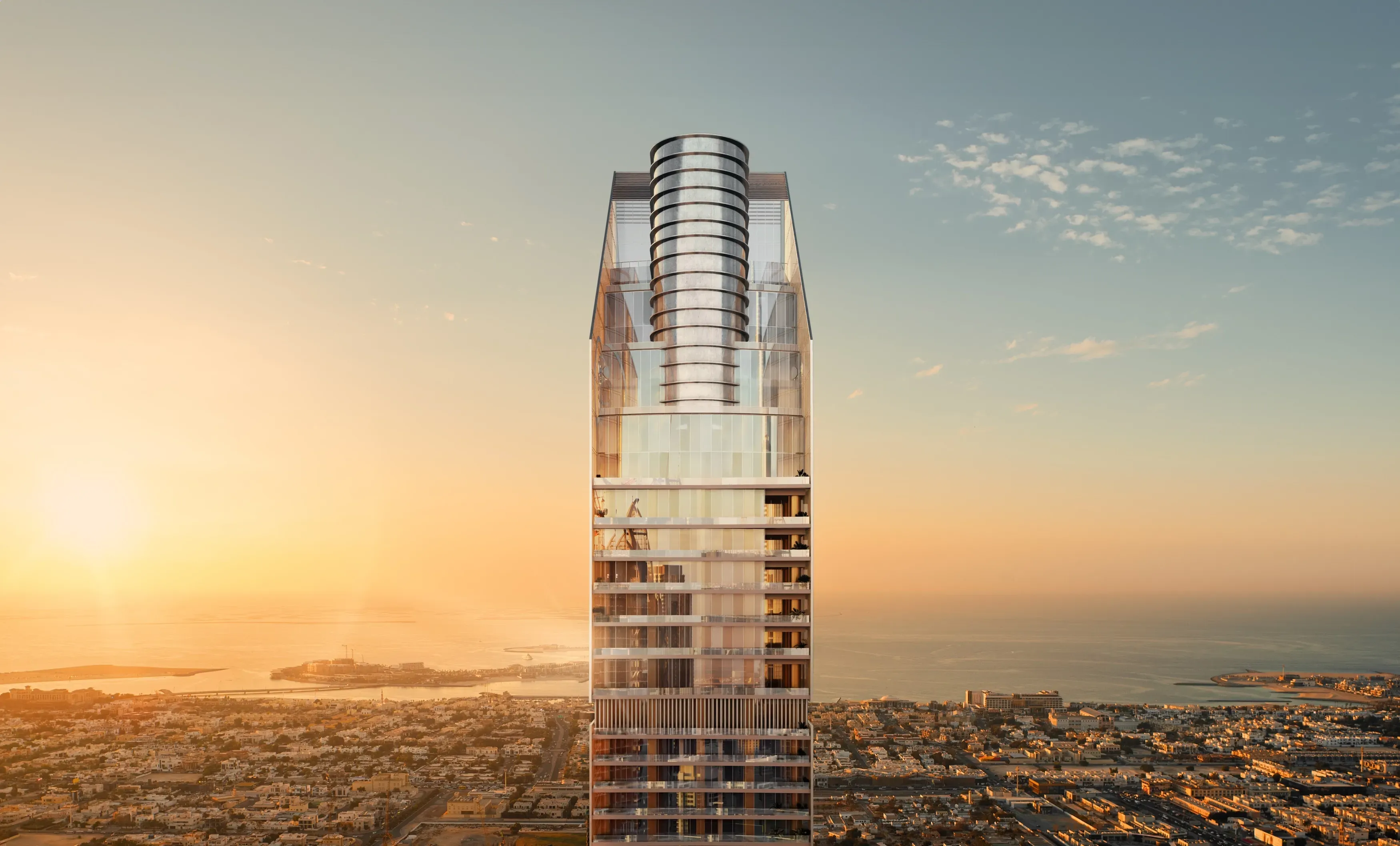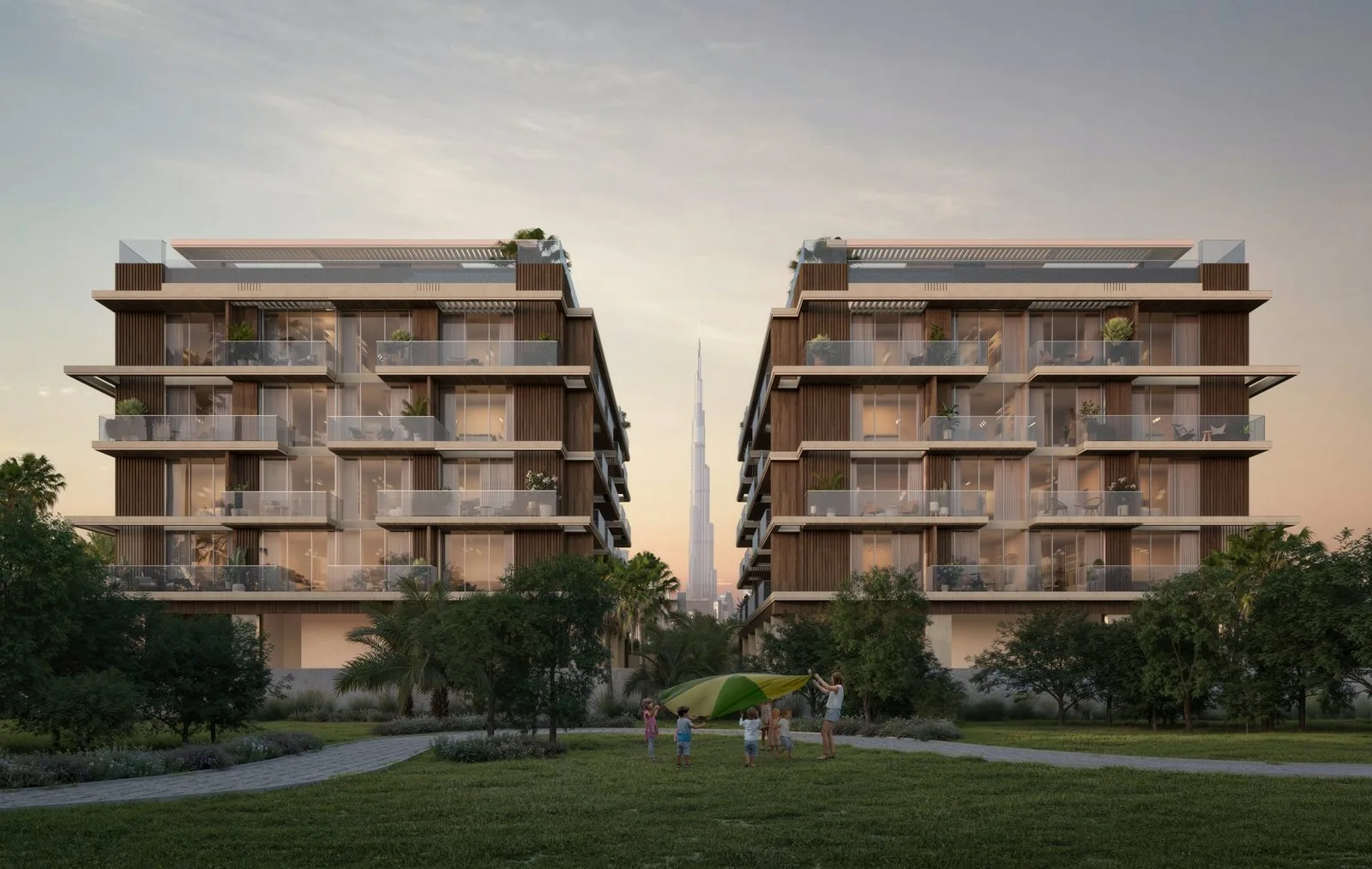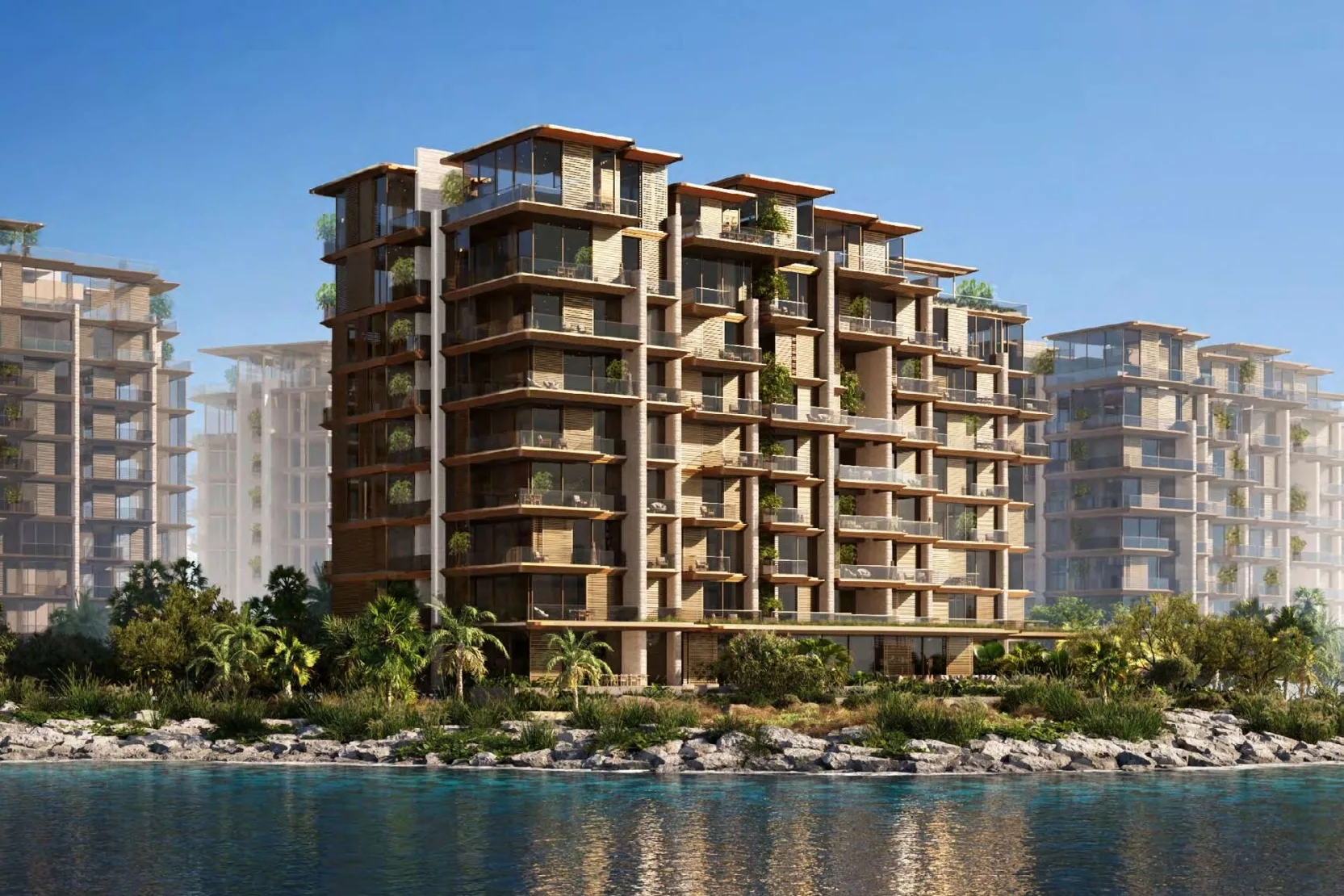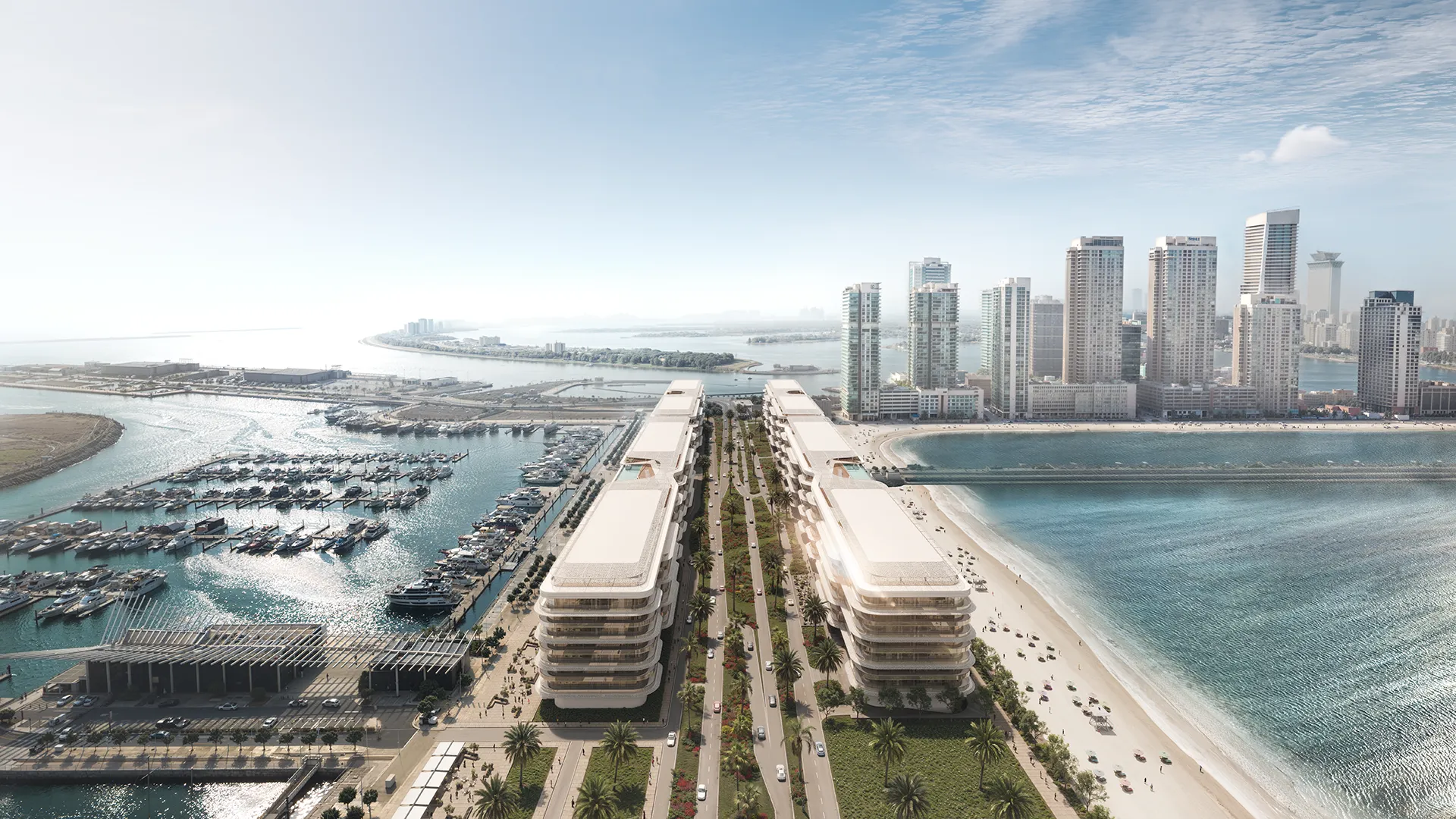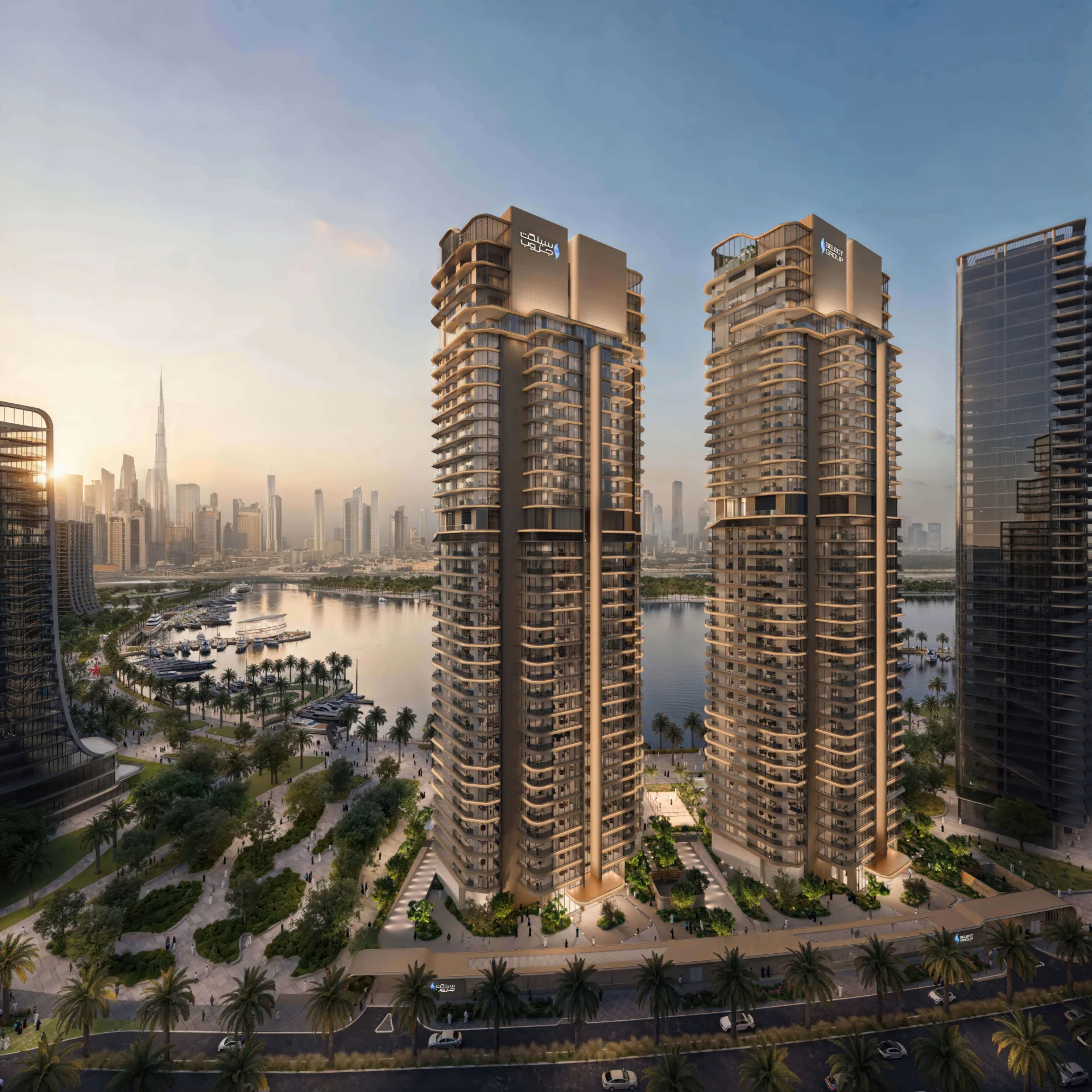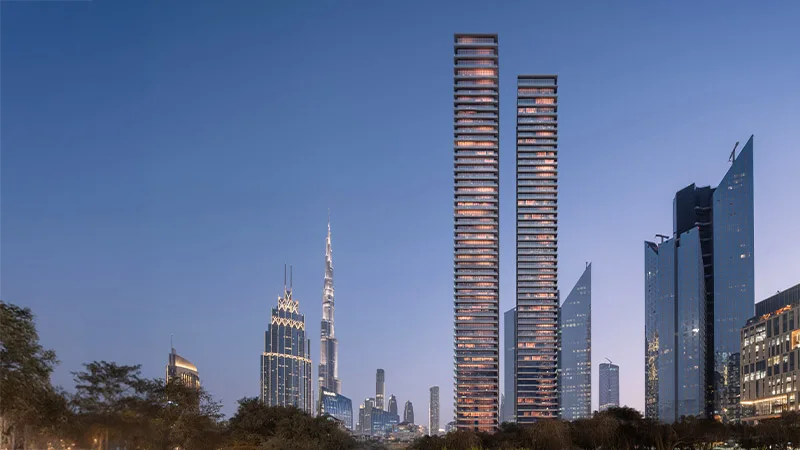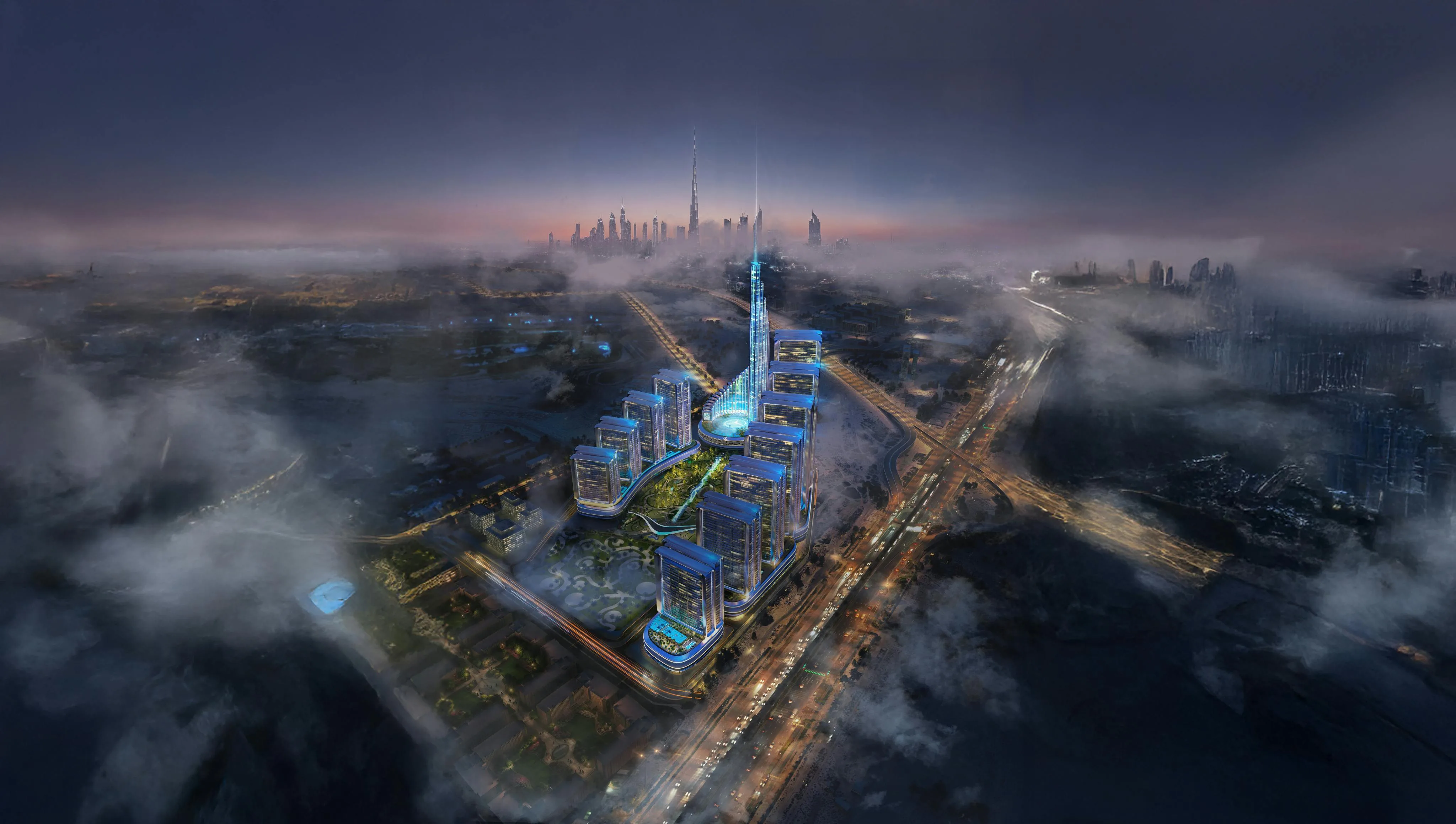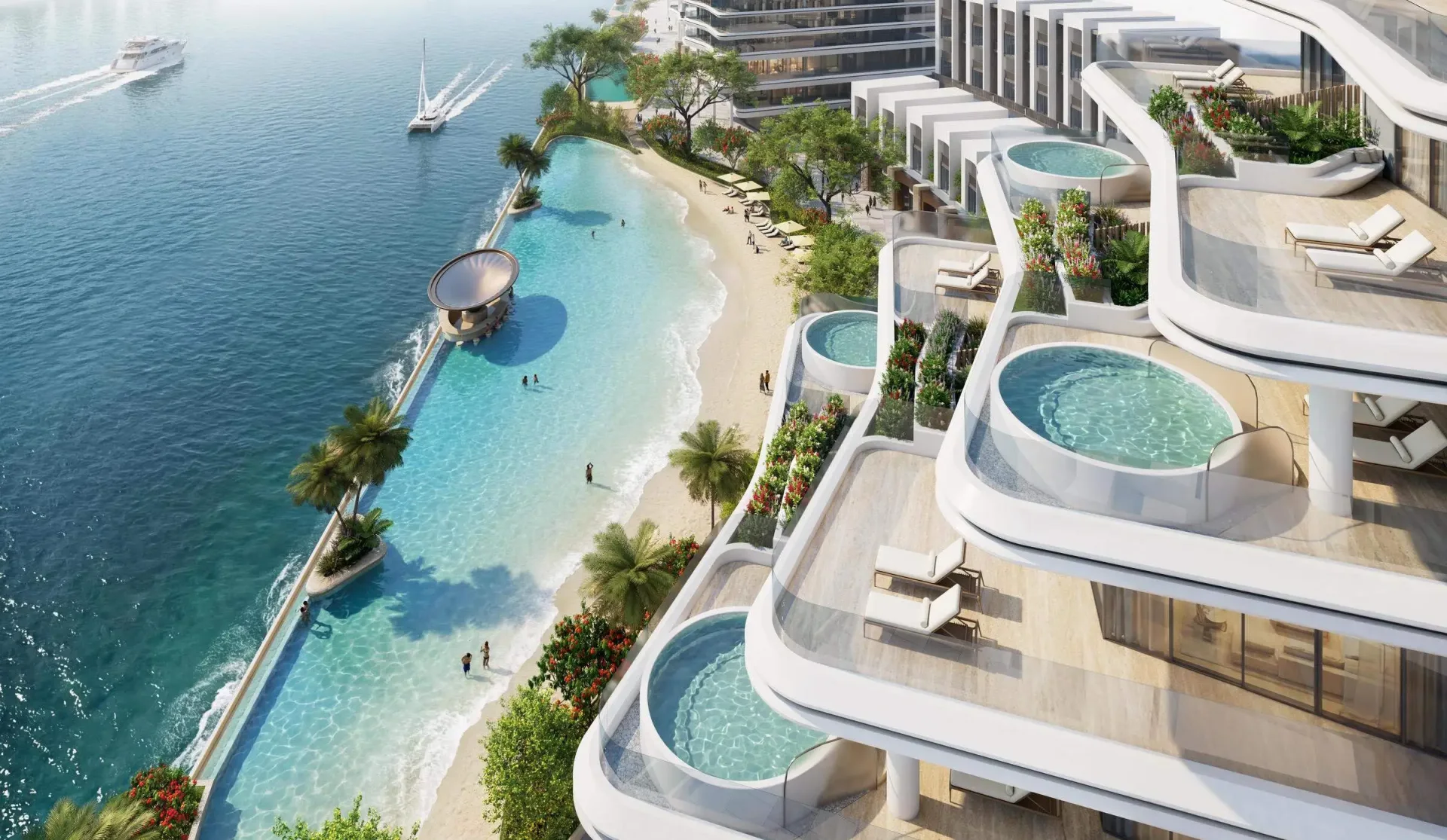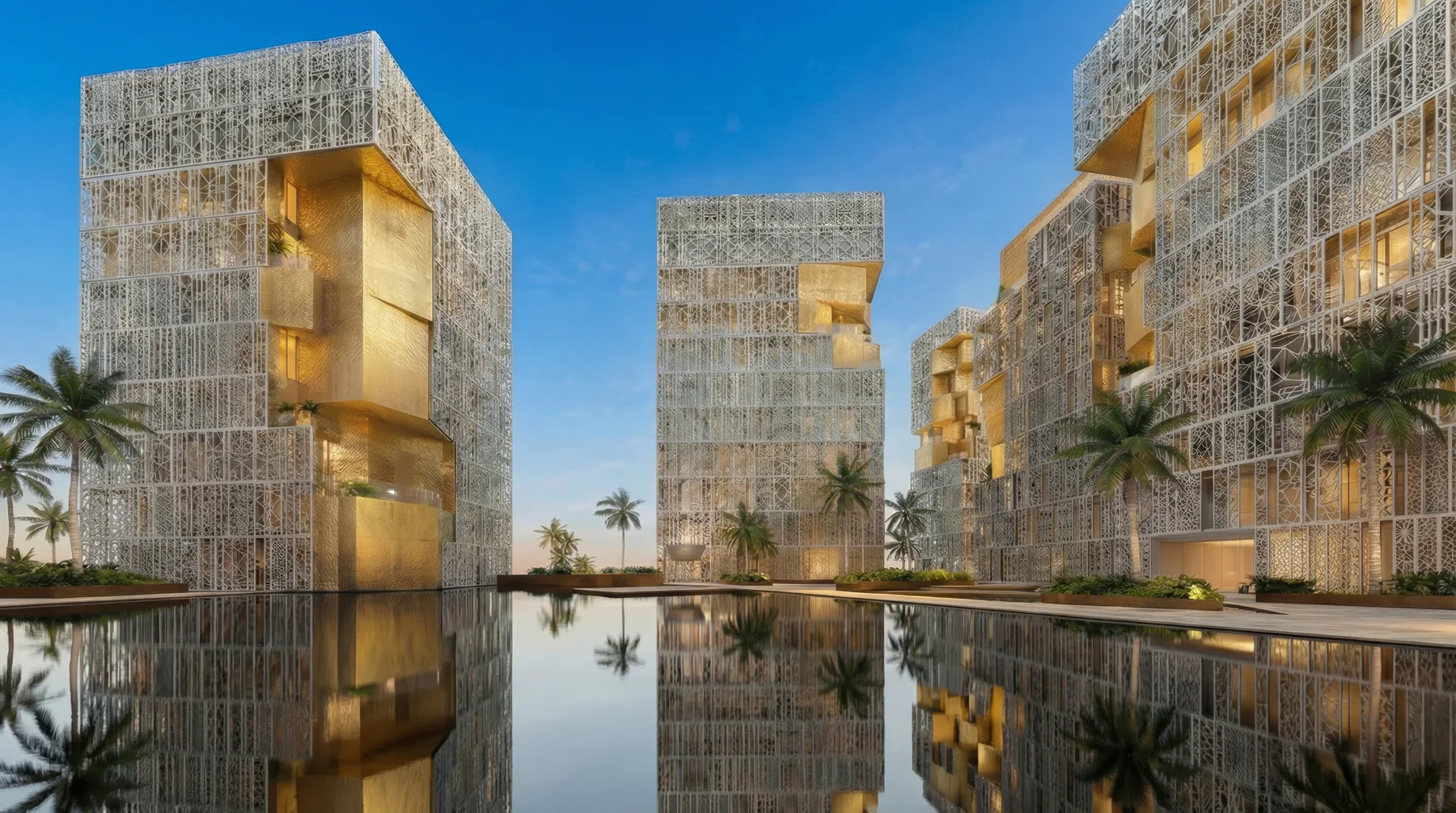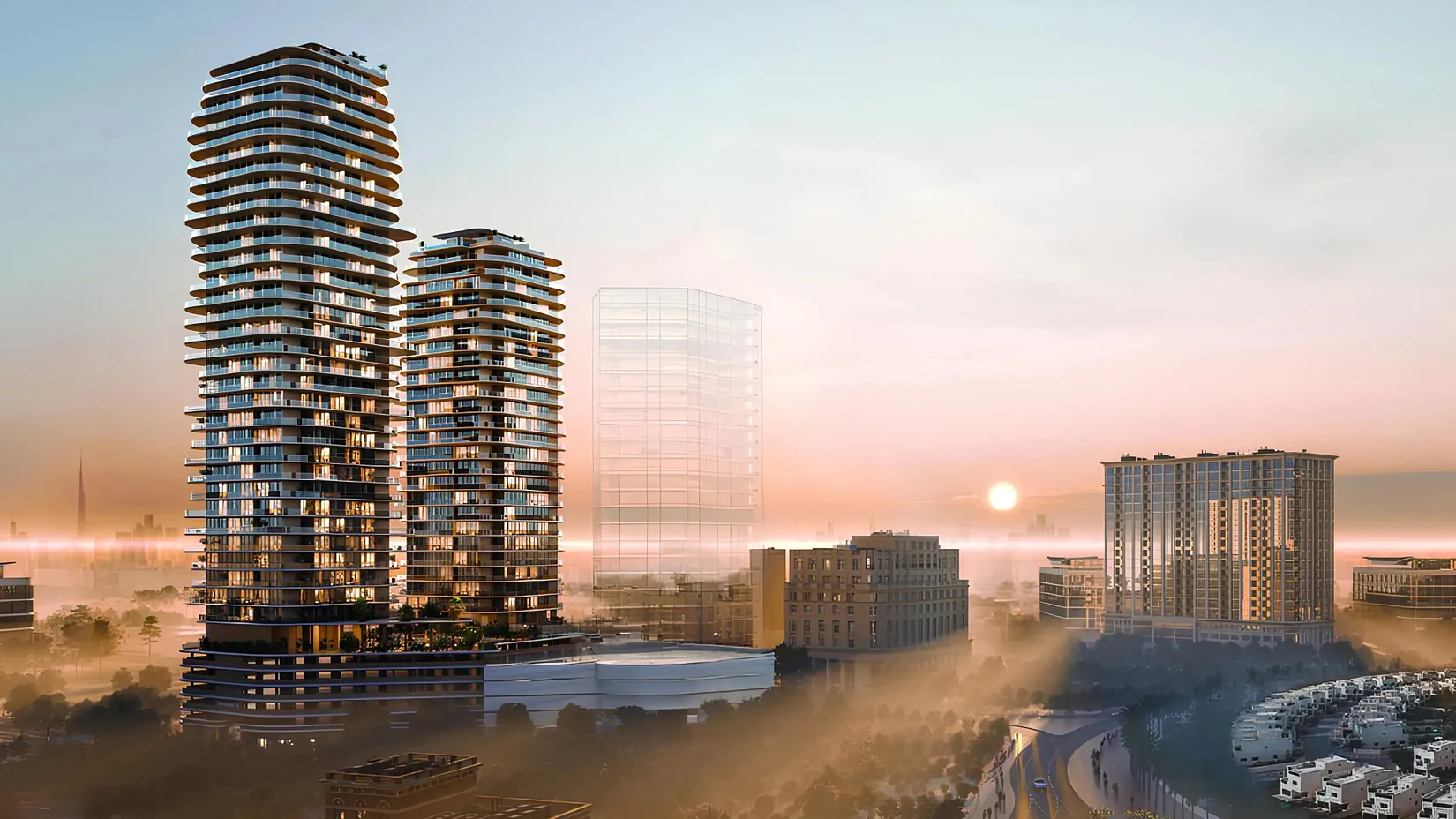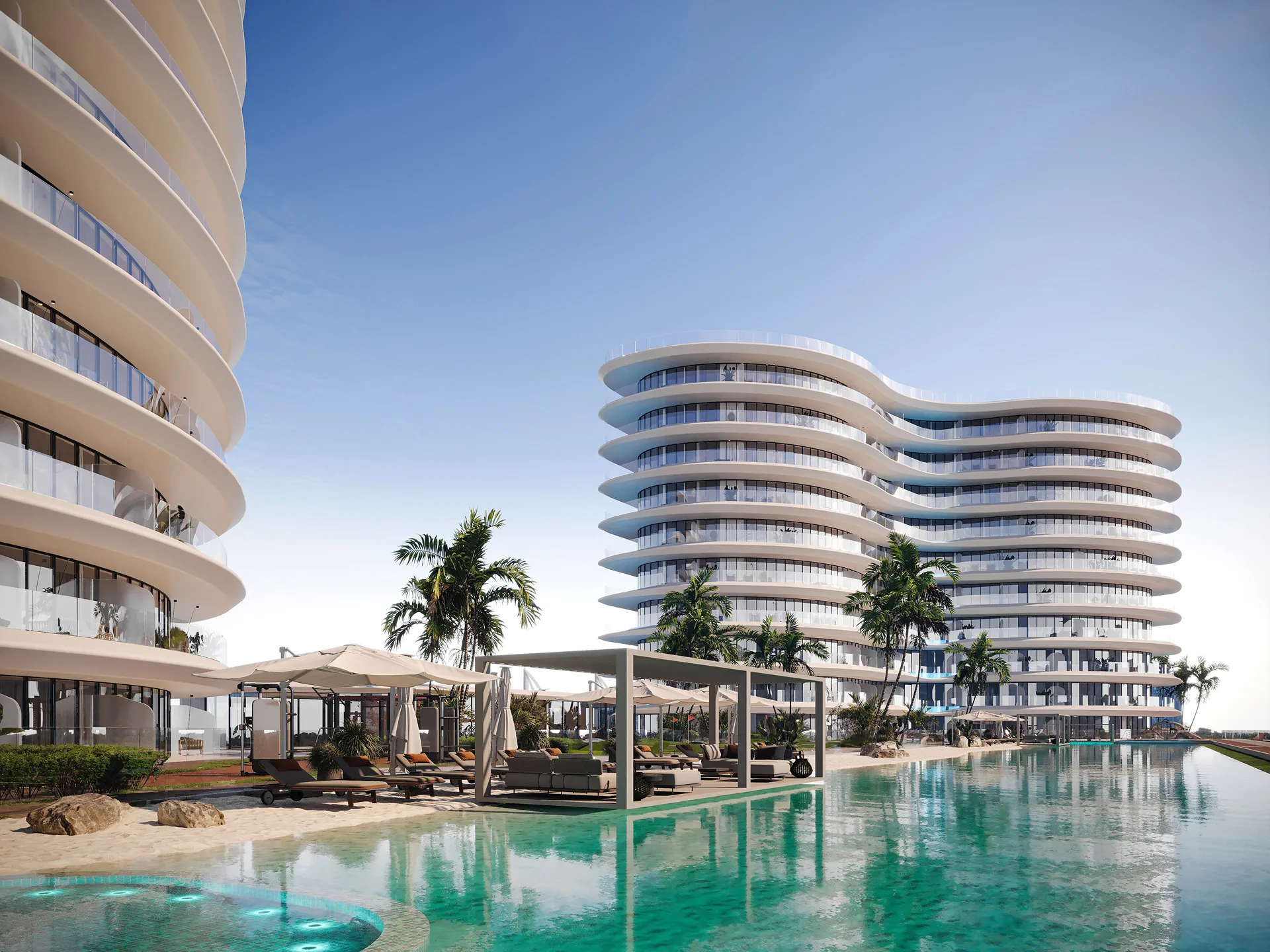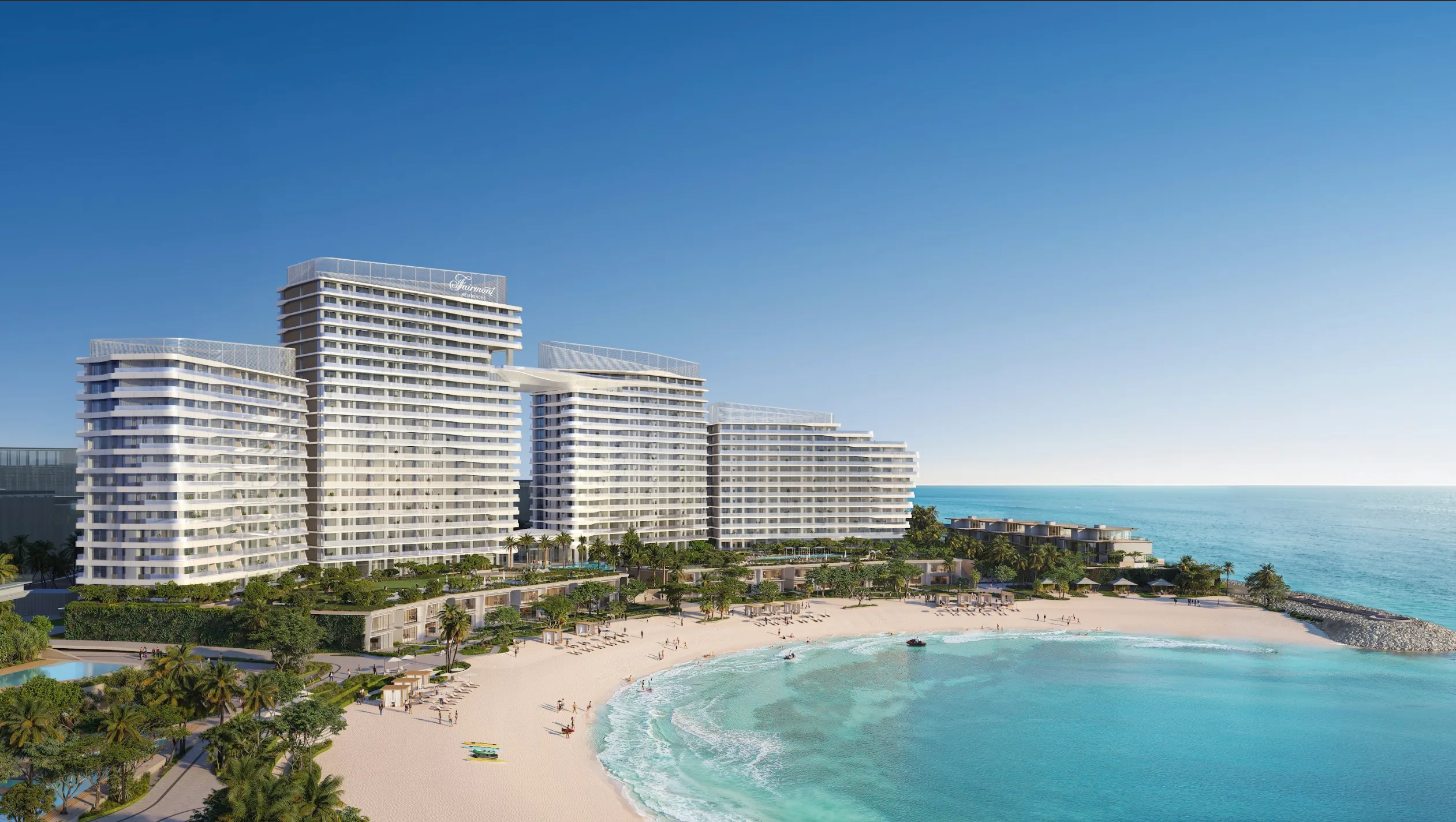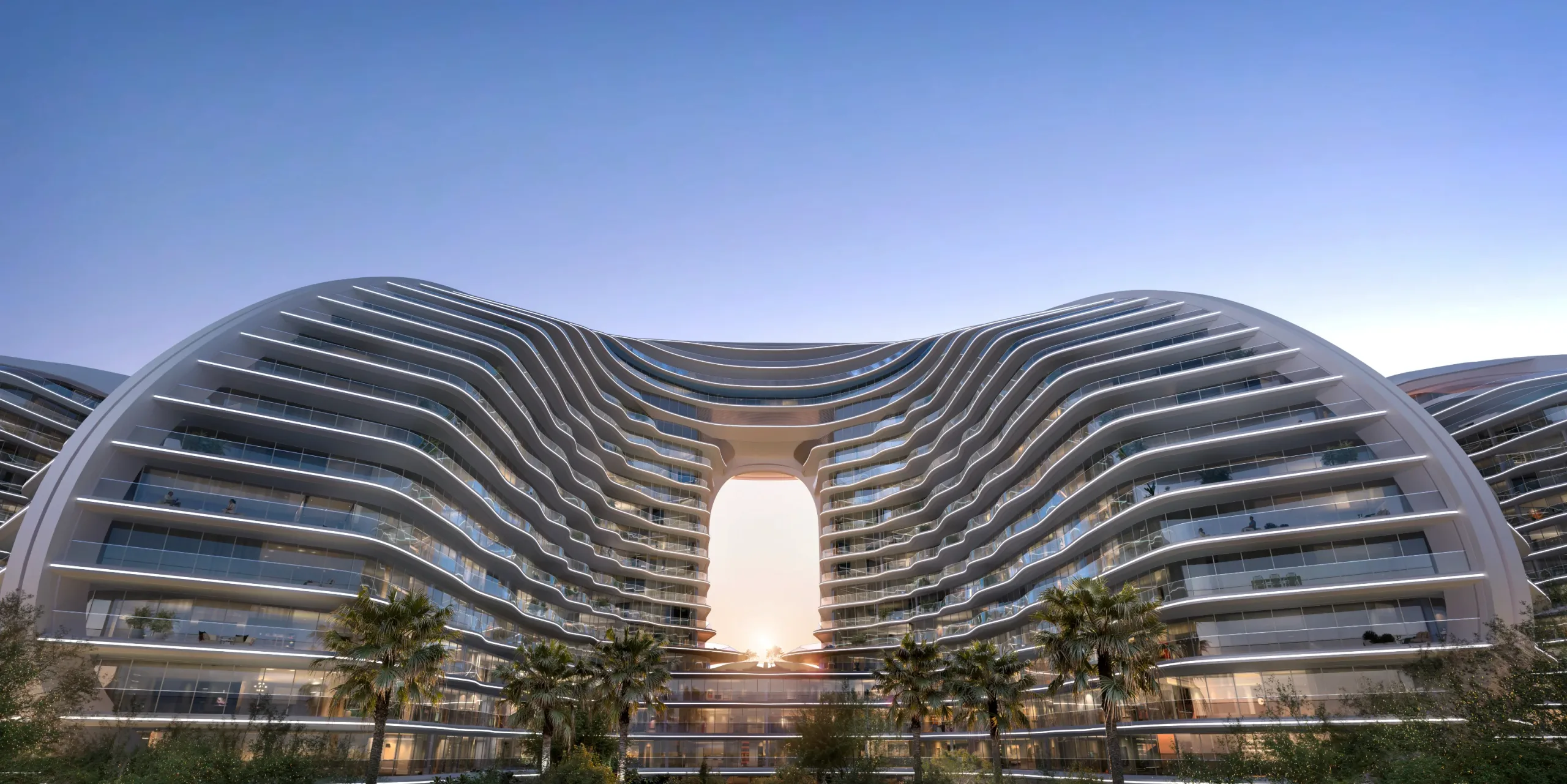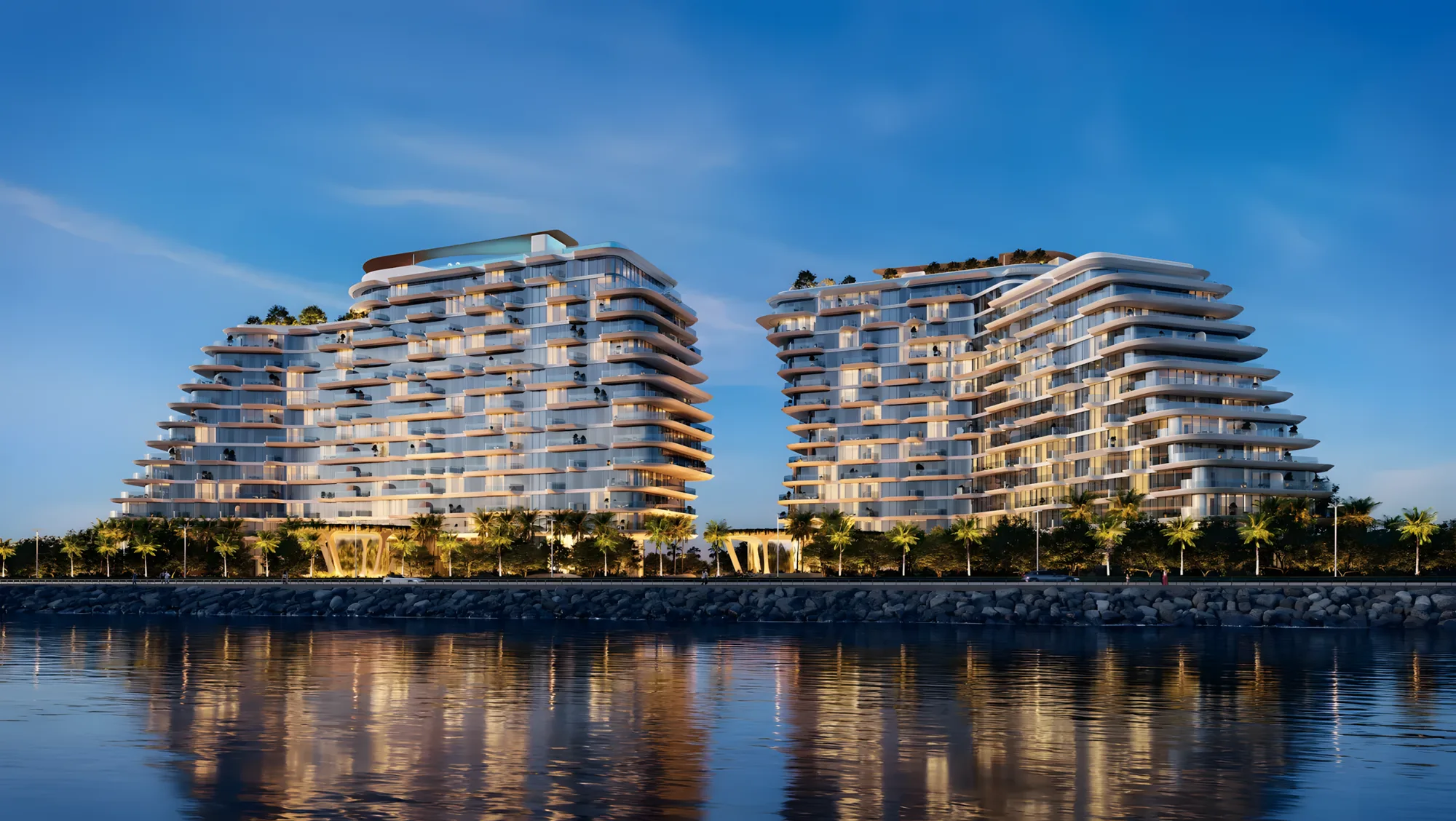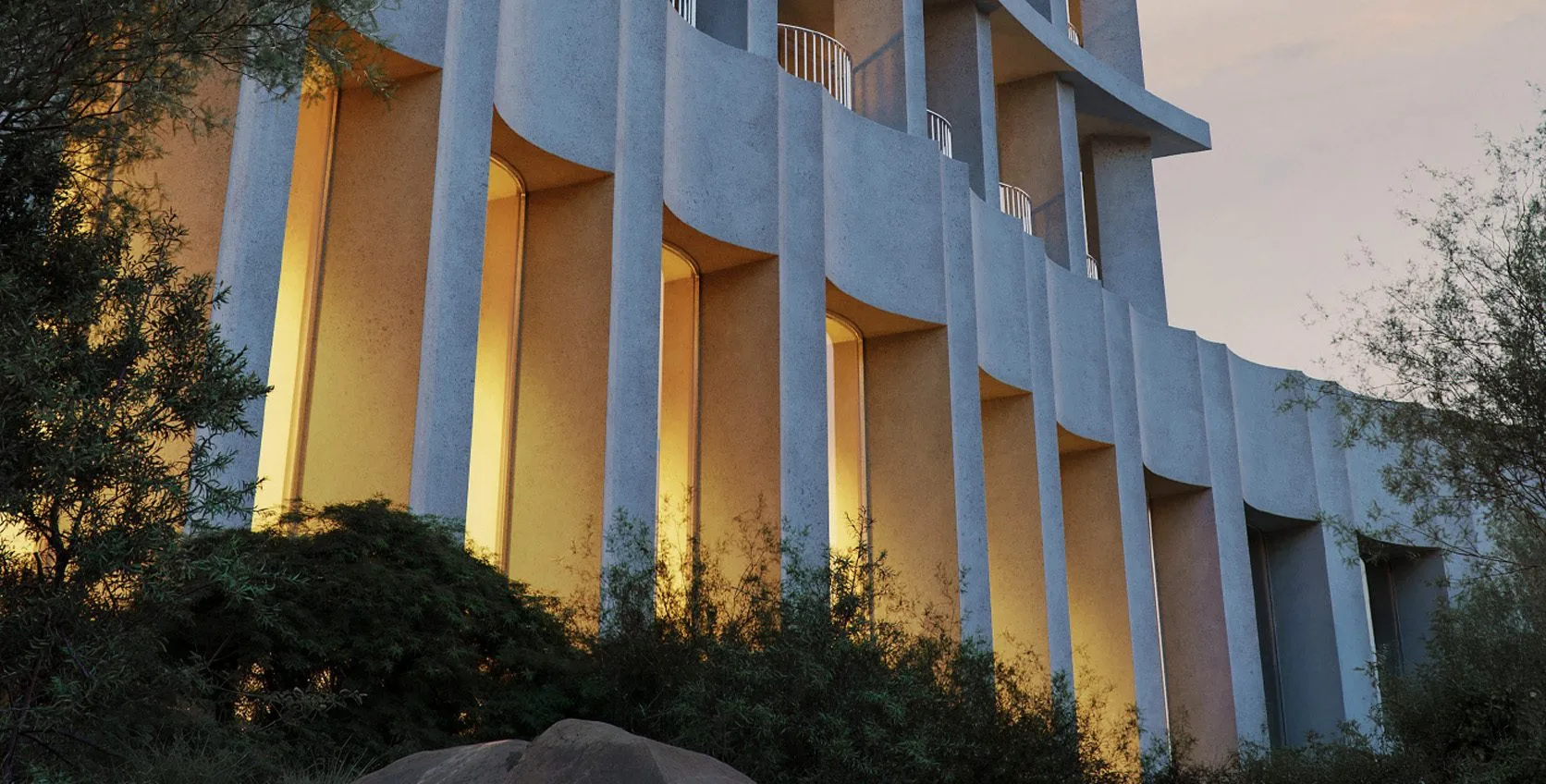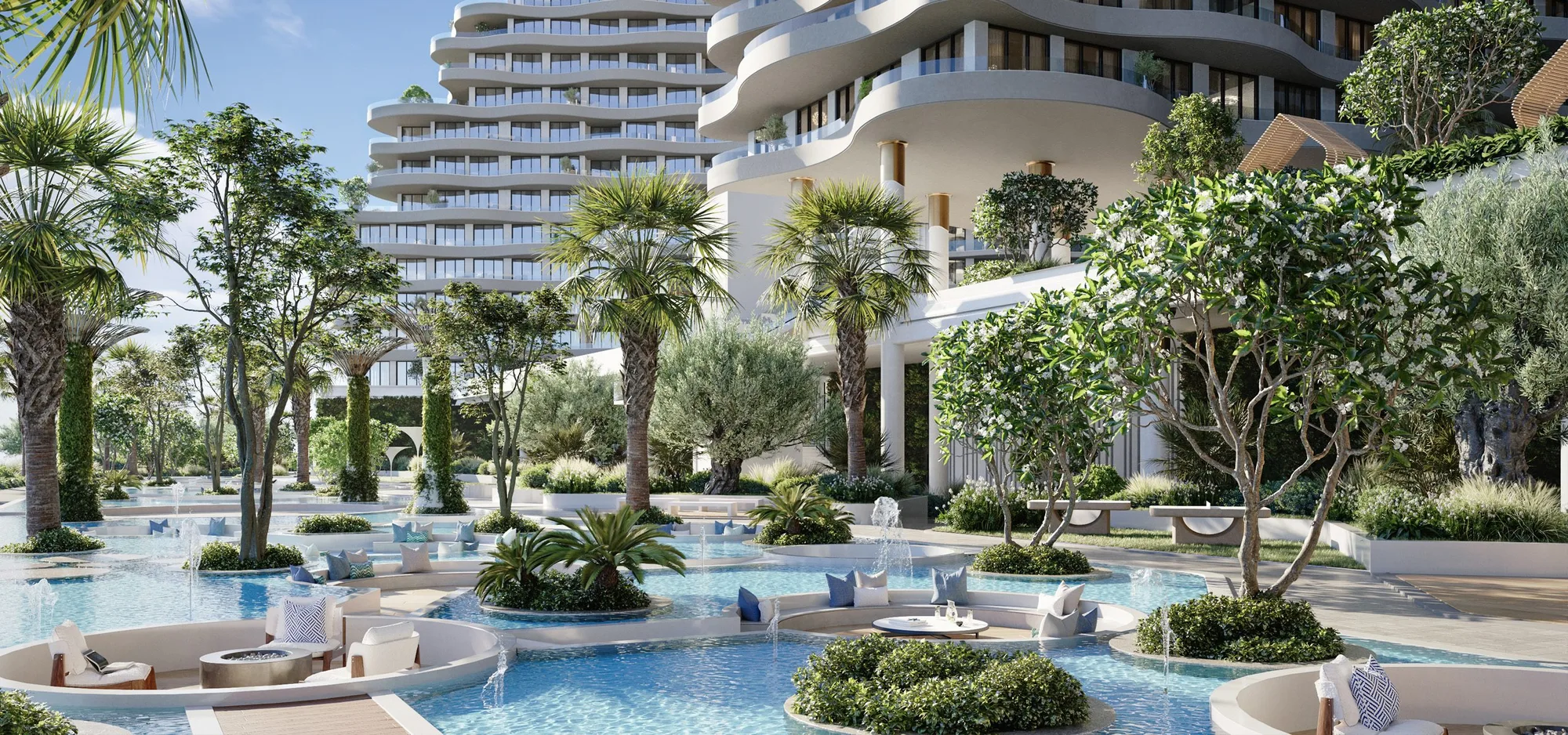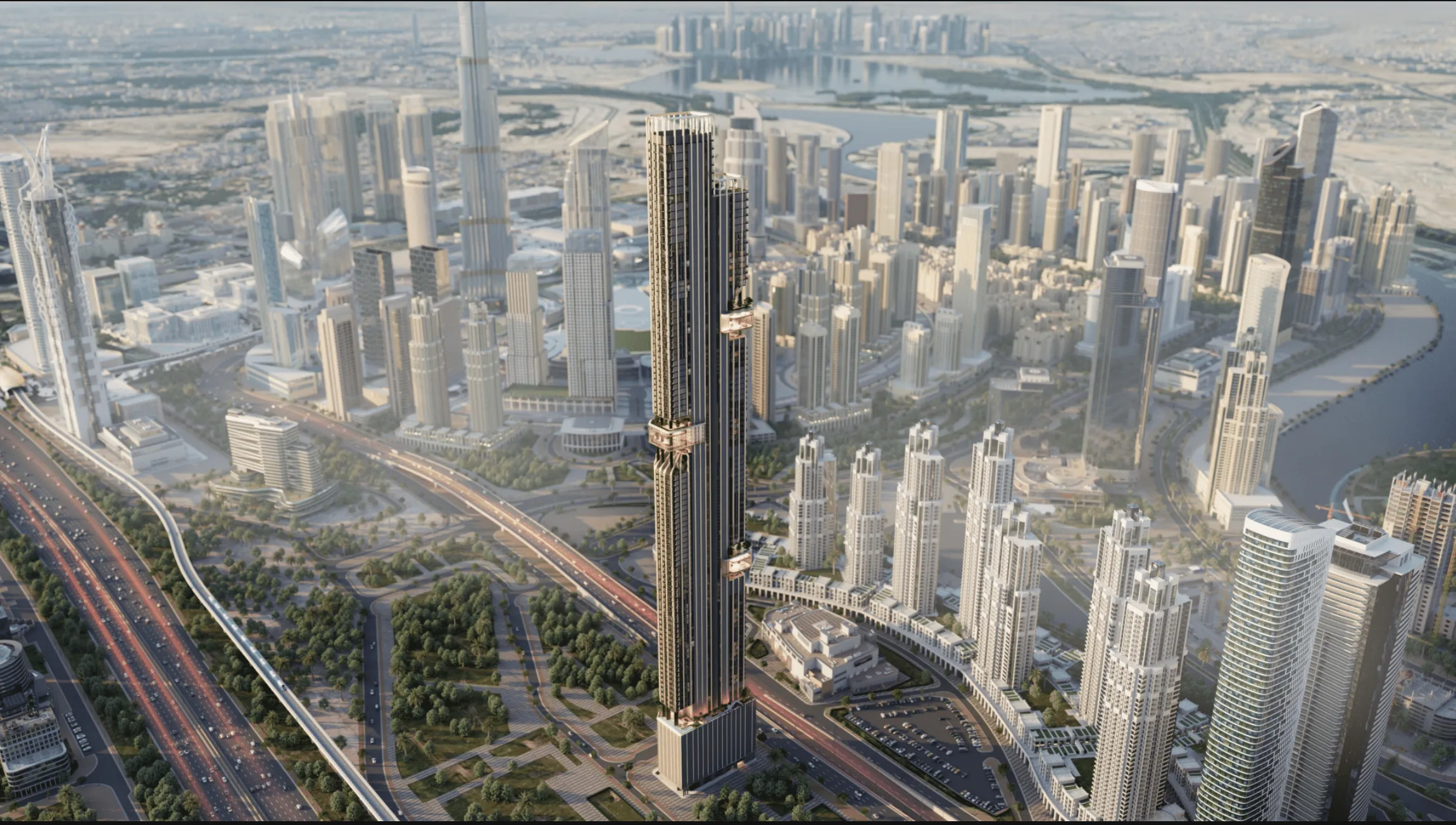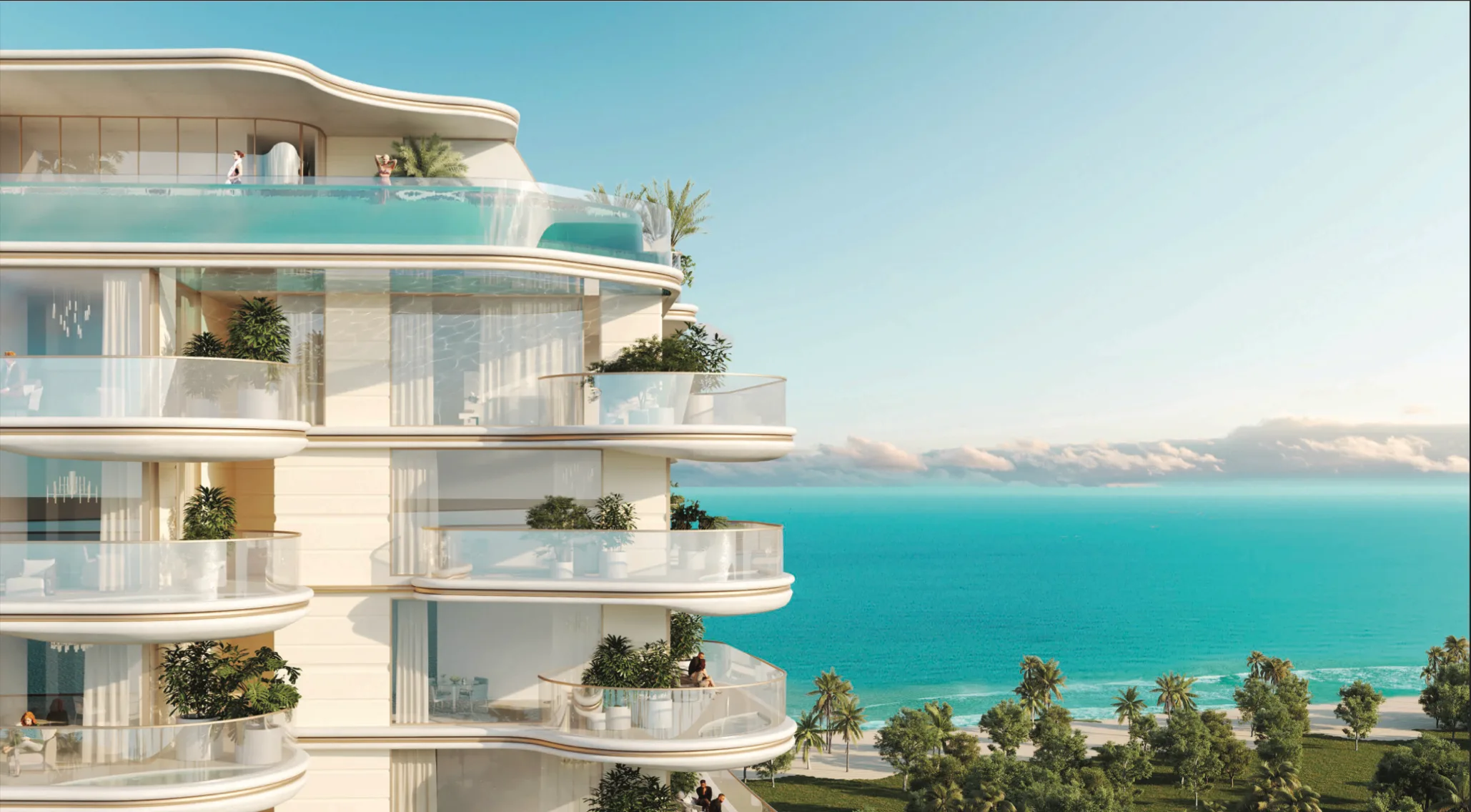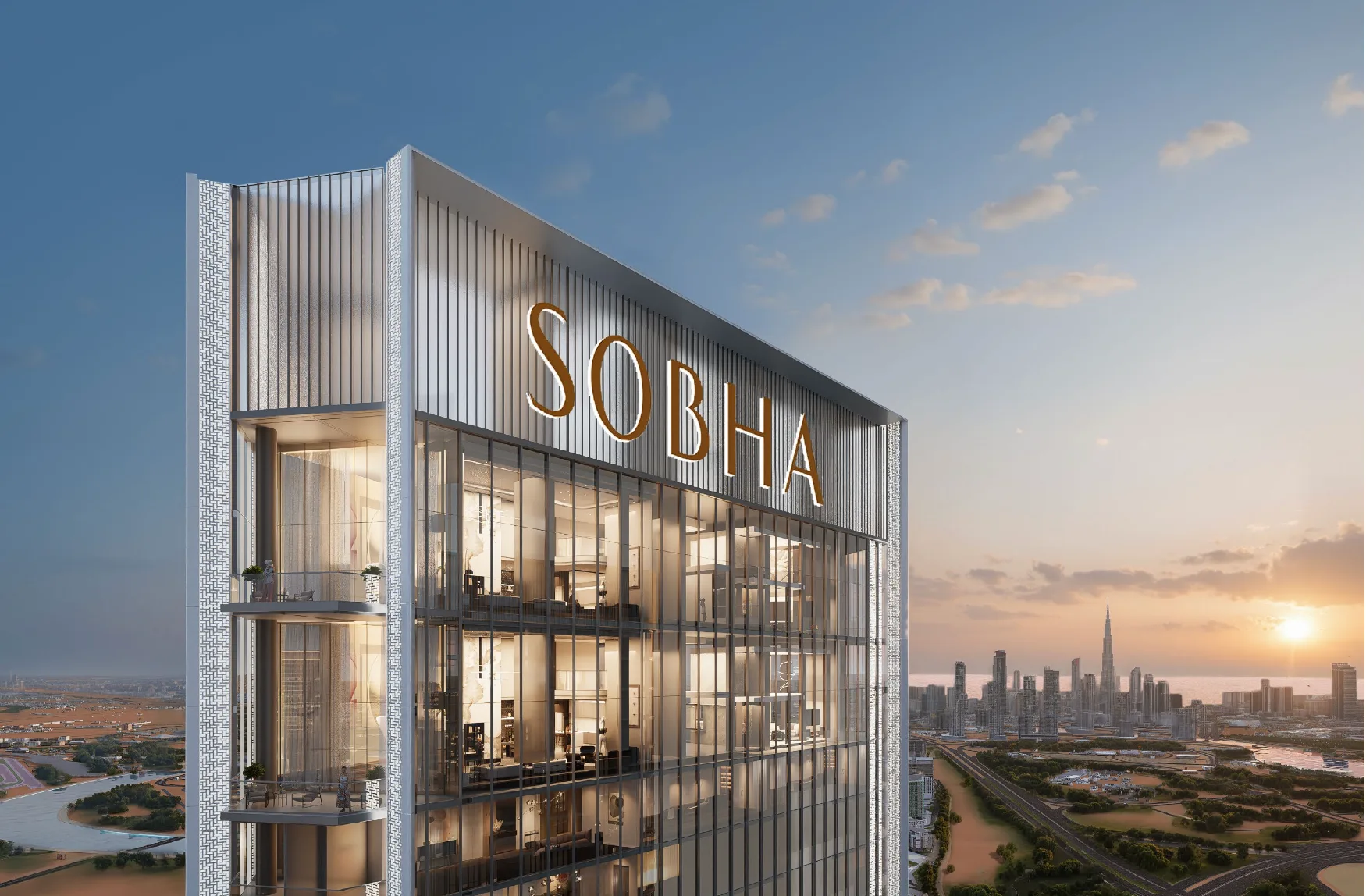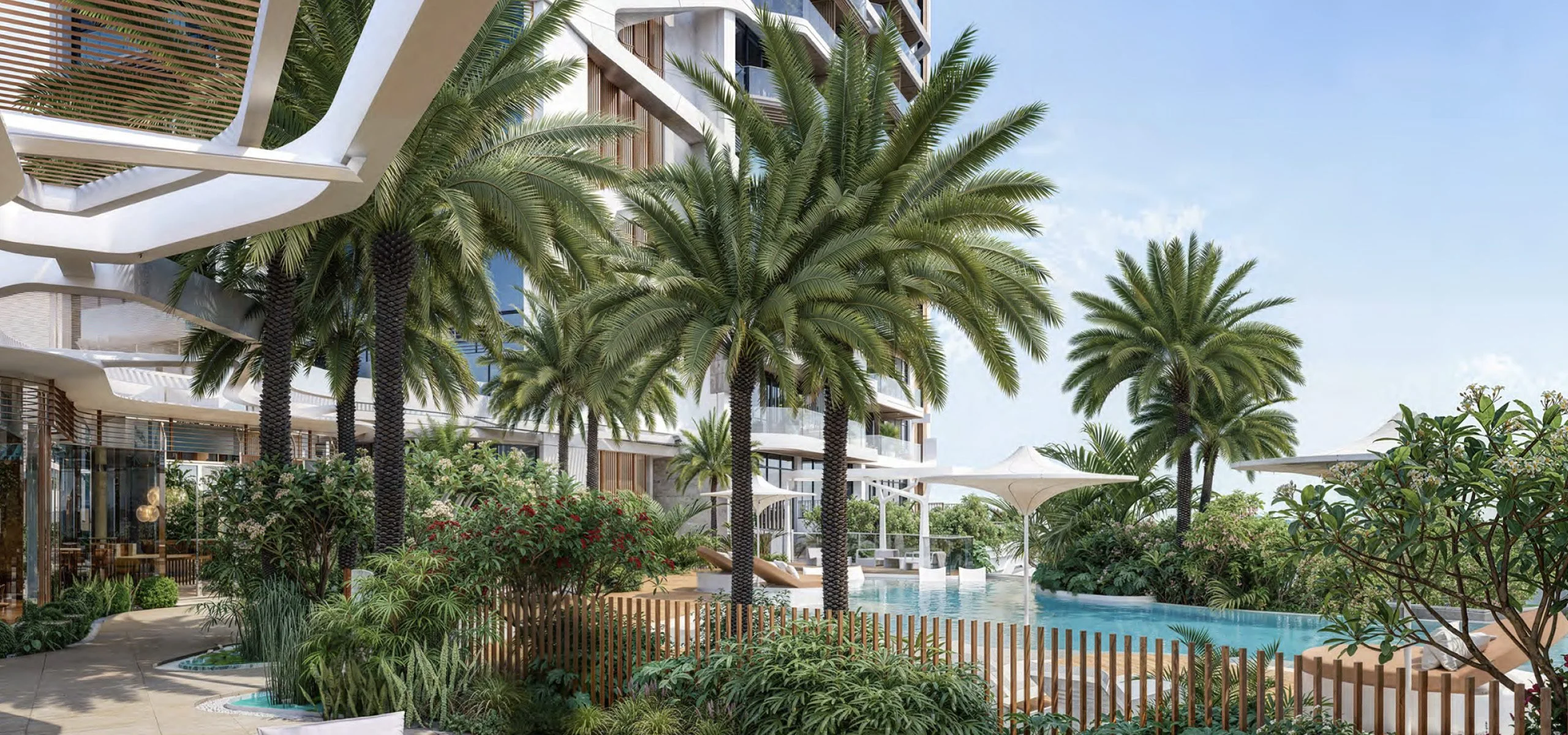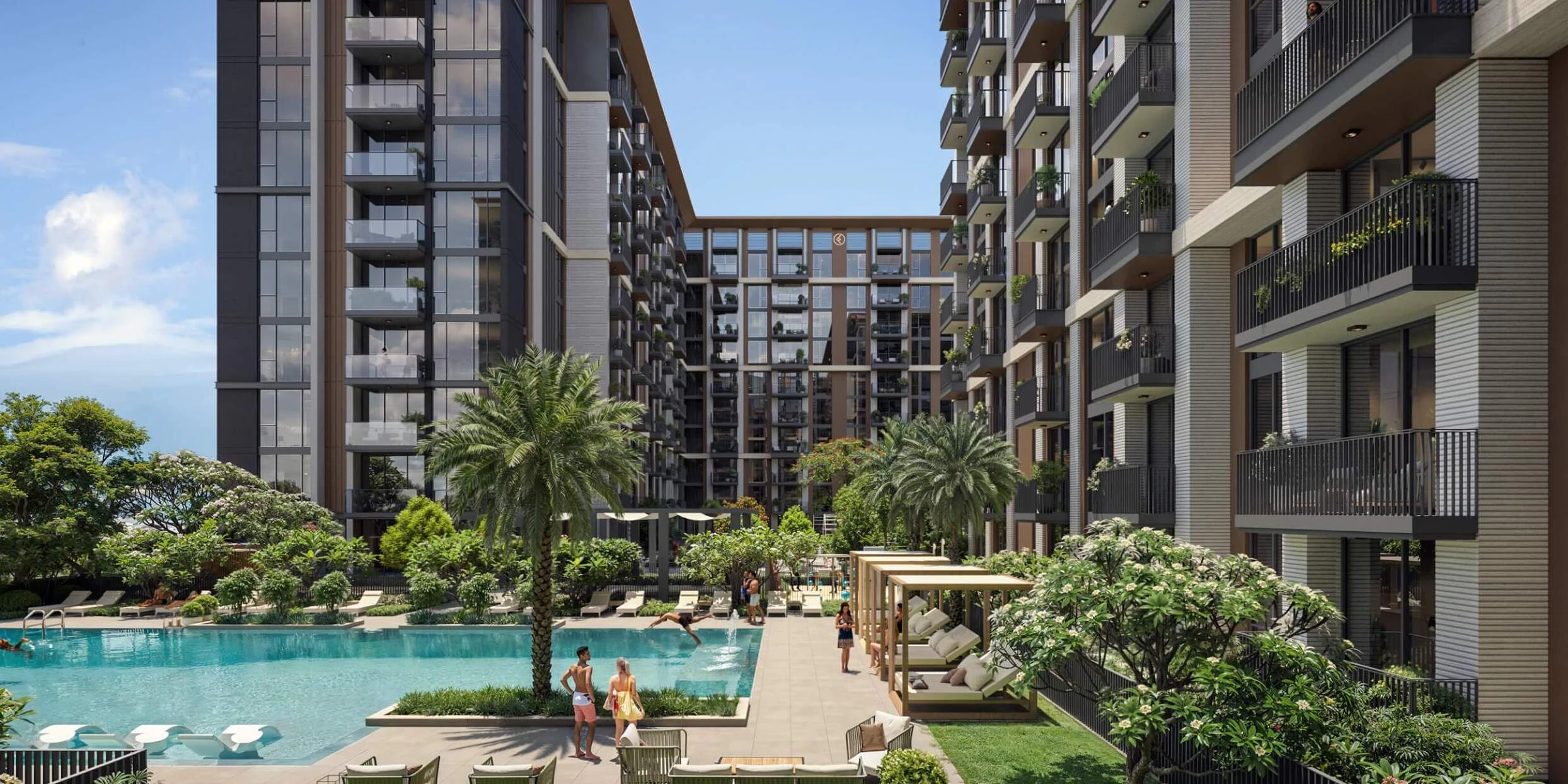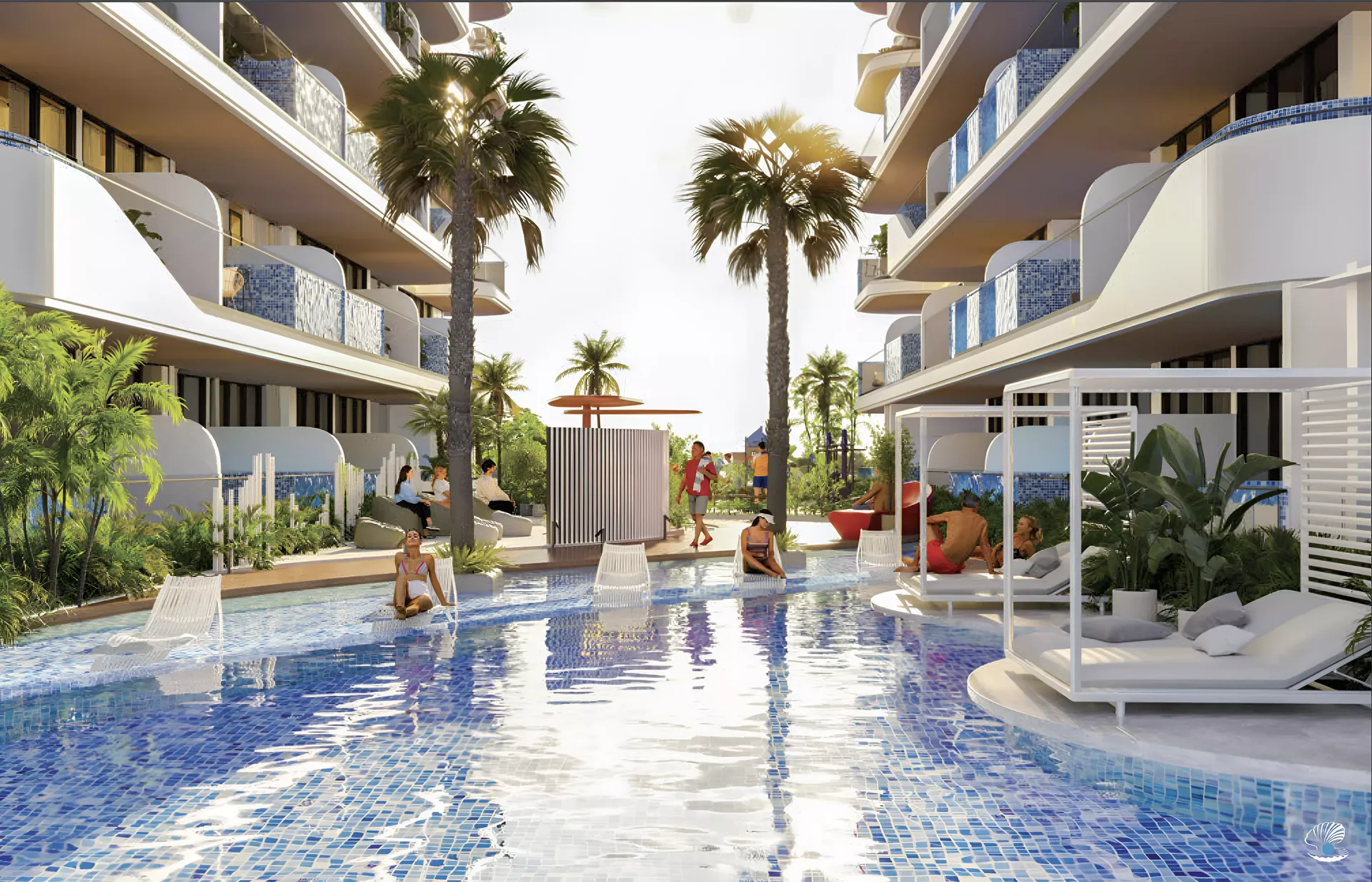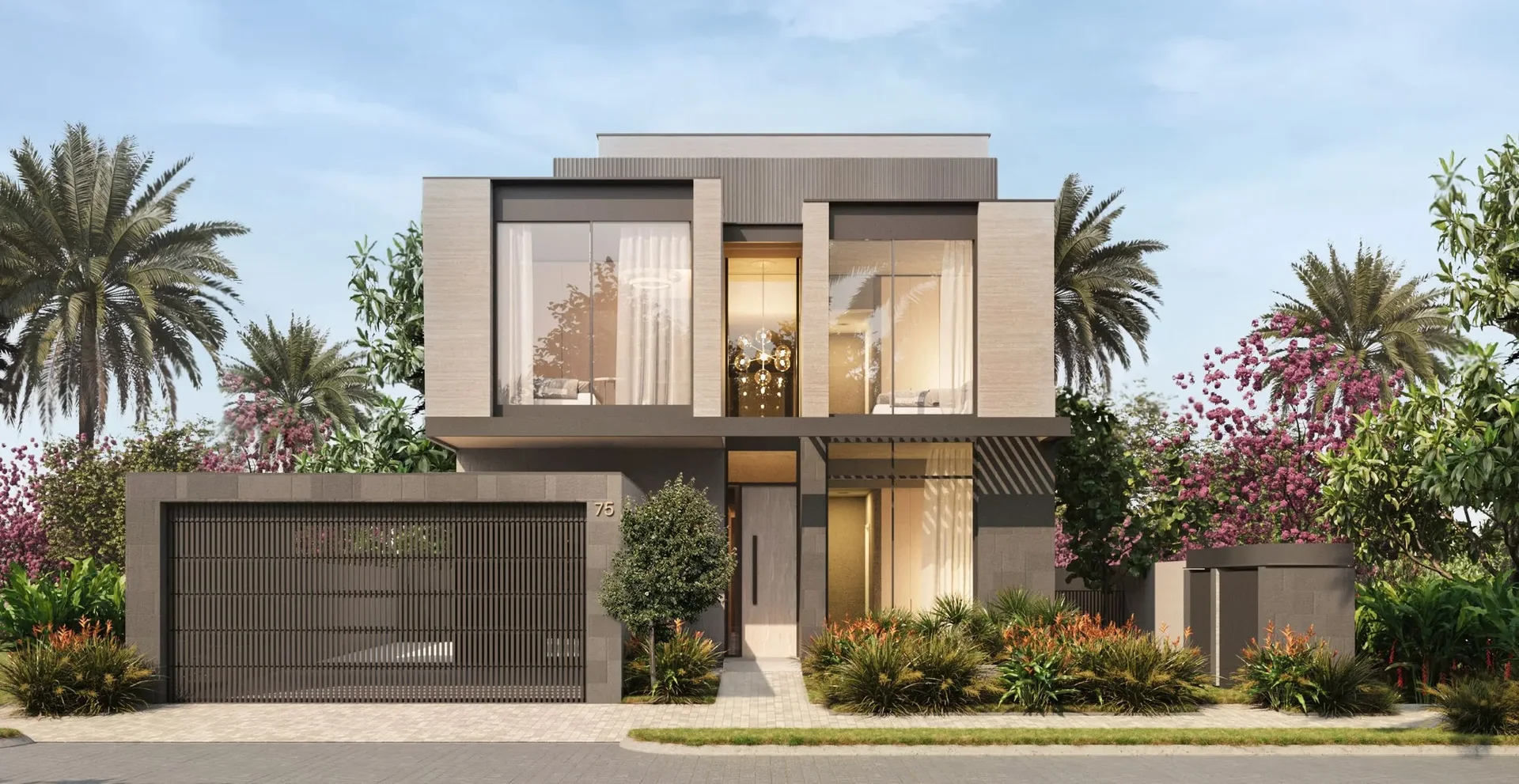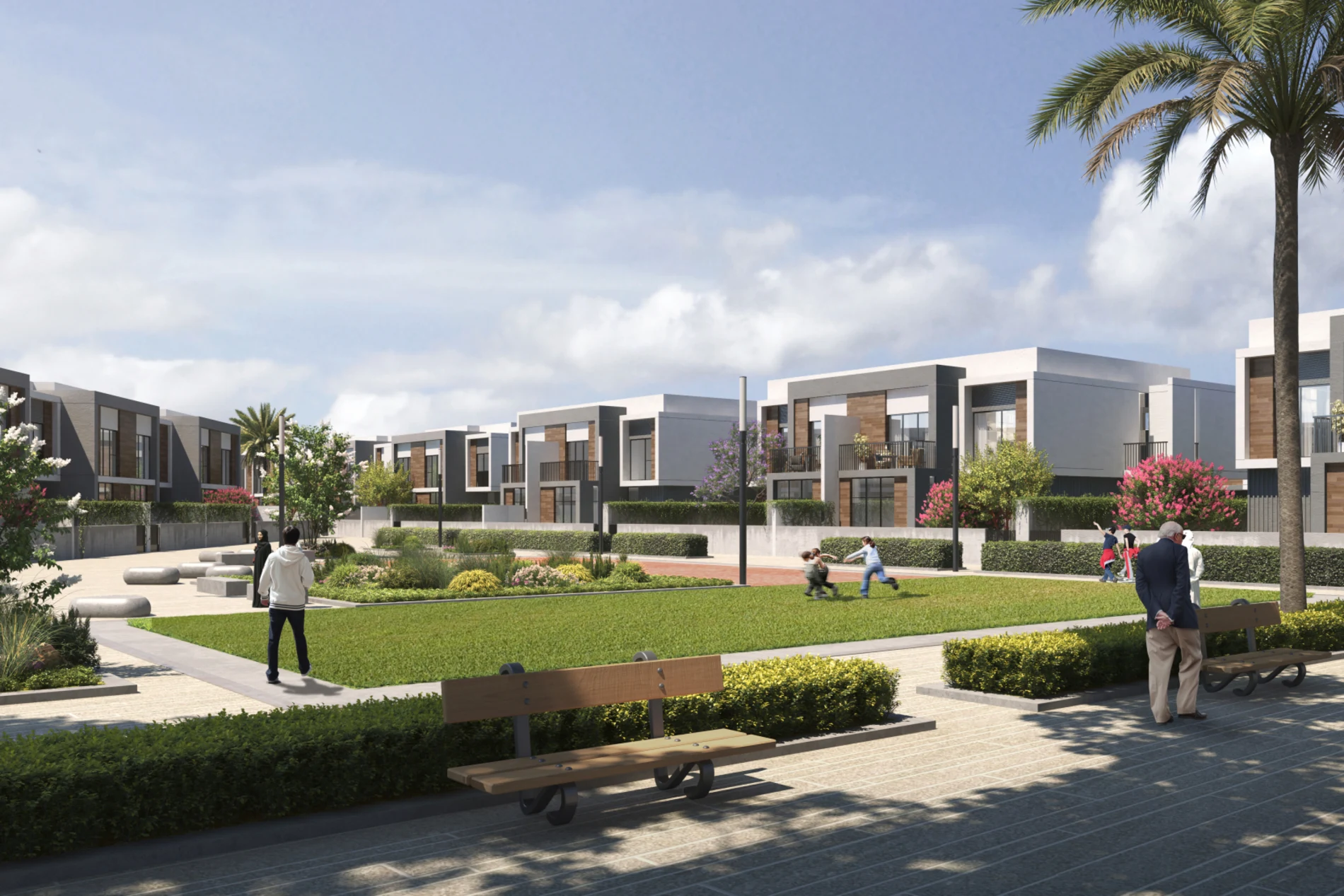

An apartment in Dubai is a liquid asset in a way a villa is not: more comparables, shorter voids, faster resale. That liquidity is the reason the projects below span from AED 783K at Mövenpick Motor City to AED 8.5M at The Edition — the same product class serving completely different buyers.
Three questions decide between them, and none of them is the floor plan. First, the address type: a tower on Sheikh Zayed Road, a unit inside a master-planned community, or a waterfront building. Each has a different rental profile and a different resale audience. Second, who funds the amenity — inside a master plan the developer funds the pool, the park and the school; in a standalone tower you fund them through service charges. Third, the handover year, because supply arriving in the same quarter in the same district is what actually moves your rent.
The market gives you a useful read on the first question. Dubai Land Department publishes weekly transaction totals — the $3 billion week reported in June 2026 is a typical one — and the split between apartment and villa rent movement is tracked separately in this 2026 comparison. Neither will pick a project for you, but both will stop you modelling a yield on the wrong assumption.
What we would ask before a deposit: the service charge per square foot, which is not in any brochure and which we will pull for you; the net internal area rather than the marketed total; and whether the building is one of many handing over on the same street in the same quarter. That last one is the single most common reason a first rental cheque comes in under the model.